Bourns Inc. 5.0SMDJ54CA-H — Circuit Protection

Bourns 5.0SMDJ54CA-H TVS Diode, 54V 5kW SMC

MPN5.0SMDJ54CA-H
Active

Bourns Inc. 5.0SMDJ bidirectional TVS diode, 54V reverse standoff, 87.1V clamping, 57.5A peak pulse (10/1000µs), 5000W peak pulse power, DO-214AB SMC, -55°C to 150°C junction, telecom.

Independent supplier — new & surplus stockAuthenticity-screened · ESD-safe packingListing updated Aug 2026

Specifications

5.0SMDJ54CA-H specifications
ParameterValue
TypeZener
Series5.0SMDJ
MountingSurface Mount
Voltage - breakdown60V
Voltage - clamping (Max) @ ipp87.1V
Voltage - reverse standoff54V
Current - peak pulse (10/1000μs)57.5A
Power - peak pulse5000W (5kW)
Power line protectionNo
Operating temperature-55°C~150°C(TJ)
PackageTape & Reel (TR); Cut Tape (CT)
ApplicationsTelecom
CaseDO-214AB, SMC
Bidirectional channels1

Product details

What the 5.0SMDJ series means on a telecom rail

The 5.0SMDJ54CA-H: At 54 V reverse standoff (typ), the diode stays invisible to the line during normal operation; once a surge exceeds the breakdown threshold (60 V min), it clamps the voltage at 87.1 V max and conducts 57.5 A peak pulse current to ground, limiting what reaches the downstream circuitry. The -55°C cold-start capability covers outdoor cabinet deployments where a cold-booted rail can see transient overshoot before the supply filters settle.

DO-214AB package — what the SMC footprint means for board layout

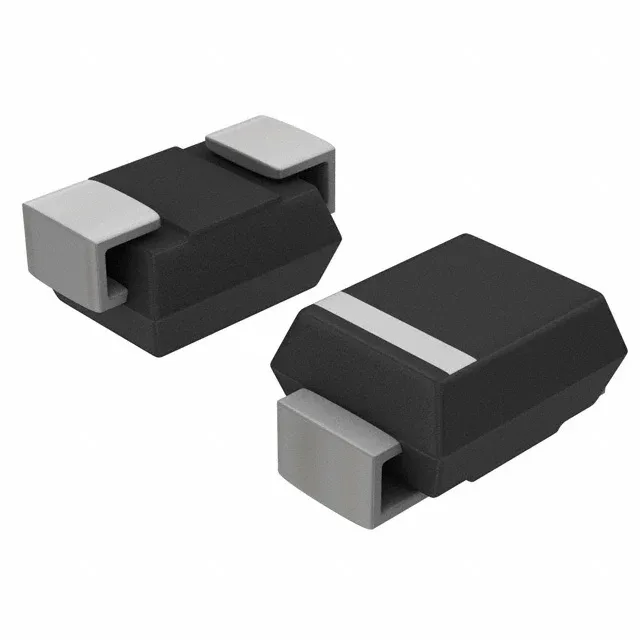
The cathode bar on the SMC package marks polarity on the unidirectional version; on this bidirectional CA part, either end can be the line terminal. Surface-mount termination allows reflow assembly; tape-and-reel and cut-tape packaging options serve both high-volume SMT pick-and-place and low-quantity prototype hand-assembly. The typical 3.4 mm body length sits within the IPC floor-space guidelines for telecom line-card edge protection.

Frequently asked questions

What does the CA polarity suffix mean on the 5.0SMDJ54CA-H?

The CA suffix marks this as the bidirectional polarity variant — unlike the unidirectional A suffix (which clamps only one polarity), the CA variant clamps both positive and negative transients, making it suitable for AC signal rails, differential pairs, or any line where polarity reversal is possible during a fault event.

What is the difference between standoff voltage, breakdown voltage, and clamping voltage on a TVS diode?

Reverse standoff (54 V typ) is the working voltage the diode sees continuously without conduction. Breakdown (60 V min) is the threshold where avalanche conduction begins. Clamping voltage (87.1 V max at 57.5 A) is what the downstream circuit is protected to during a transient event — the difference between standoff and clamping is the suppression margin the TVS absorbs before the voltage at the load is limited.