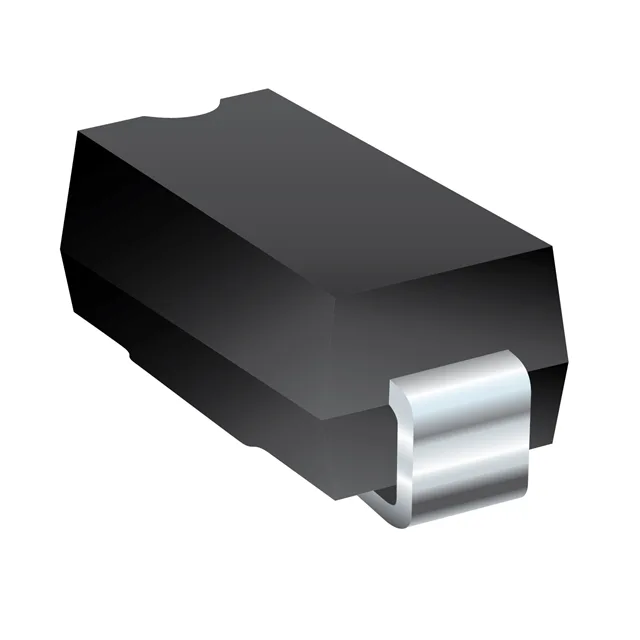
Bourns Inc. 1.5SMBJ60A-H — Circuit Protection

Bourns 1.5SMBJ60A-H TVS Diode, 60V Standoff, 1500W, AEC-Q101

MPN1.5SMBJ60A-H
Active

Bourns Inc. 1.5SMBJ Series, Zener TVS Diode, Automotive Grade, 1.5SMBJ60A-H, 60V Reverse Standoff, 1500W Peak Pulse Power, DO-214AA SMB, Surface Mount.

$0.6500Ref. price · indicative, final on quote
Independent supplier — new & surplus stockAuthenticity-screened · ESD-safe packingListing updated Aug 2026

Specifications

1.5SMBJ60A-H specifications
ParameterValue
TypeZener
Series1.5SMBJ
MountingSurface Mount
Voltage - breakdown66.7V
Voltage - clamping (Max) @ ipp96.8V
Voltage - reverse standoff60V
Current - peak pulse (10/1000μs)15.5A
Power - peak pulse1500W (1.5kW)
Power line protectionNo
Operating temperature-55°C ~ 150°C (TJ)
GradeAutomotive
PackageTape & Reel (TR) Cut Tape (CT)
ApplicationsGeneral Purpose
QualificationAEC-Q101
CaseDO-214AA, SMB
Unidirectional channels1

Product details

AEC-Q101 Zener TVS for 60V rails

The 1.5SMBJ60A-H: Its 60V reverse standoff voltage (66.7V min breakdown) and 96.8V clamping clamp 15.5A transients, making it a fit for protecting 48V and 60V nominal rails in automotive and industrial power buses.

AEC-Q101 qualification certifies this part for automotive stress grades — the -55°C to 150°C junction temperature range covers under-hood and engine-bay thermal profiles. The DO-214AA (SMB) package is a standard surface-mount footprint for power TVS diodes, compatible with reflow soldering profiles used in automotive ECU assembly.

Frequently asked questions

What is the clamping performance of the 1.5SMBJ60A-H at its peak pulse current?

At 15.5A peak pulse current (10/1000µs waveform), the 1.5SMBJ60A-H clamps at 96.8V maximum. The 60V reverse standoff means it stays off the line under normal 48V or 60V bus conditions, only conducting when a transient exceeds the 66.7V minimum breakdown threshold.

Which automotive-grade qualification does the 1.5SMBJ60A-H carry?

It is AEC-Q101 qualified, covering the semiconductor device stress tests and reliability requirements for automotive-grade components. The -55°C to 150°C junction temperature range supports deployment in under-hood and powertrain environments.