40V bidirectional TVS for automotive bus protection
The 1.5SMBJ40CA: Its 40 V reverse standoff voltage (Vrwm) matches 24 V nominal automotive buses with margin for load-dump transients — the 44.4 V minimum breakdown ensures the device stays off during normal operation and clamps at 64.5 V maximum. AEC-Q101 qualification confirms the part meets automotive-grade stress and reliability requirements: -55°C to 150°C junction temperature range, high-temperature reverse bias (HTRB) endurance, and production part approval process (PPAP) readiness. This is the qualification tier for under-hood and chassis-domain electronic modules.
Clamping voltage and pulse current at the bench
At the 23.3 A peak pulse current (Ipp) the clamping voltage holds at 64.5 V maximum — this is the voltage the downstream IC sees during a surge event. For a 24 V system with a 60 V abs-max transceiver, the 64.5 V clamp sits above the IC's survival limit; a secondary clamp or series impedance is needed if the line sees the full 1.5 kW pulse. The single bidirectional channel protects one signal pair or power rail against both positive and negative transients — no polarity concern during installation.
Active production and sourcing posture
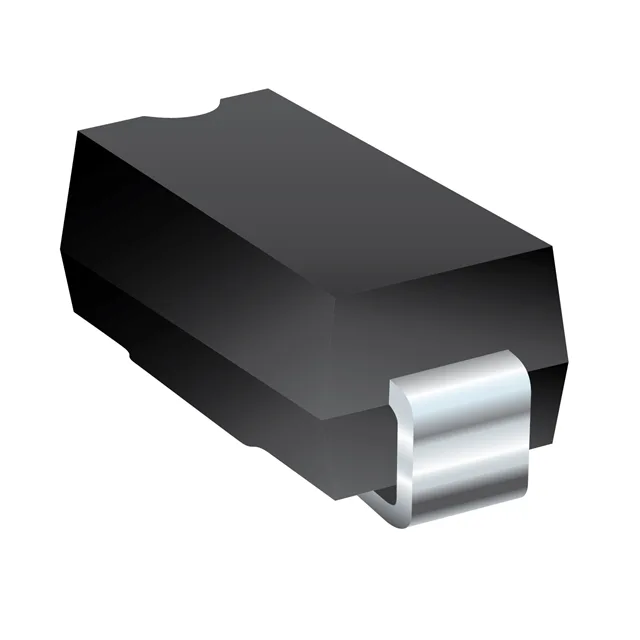
Packaged in Tape & Reel (TR) for SMD pick-and-place. The DO-214AA (SMB) footprint is a standard JEDEC outline shared across the 1.5SMBJ family — no board spin required if swapping within the series for different voltage ratings.