What the 130mW rating means for headphone drive
The MAX9722BEUE+ delivers 130mW per channel into a 32Ω load — enough to drive most studio and consumer headphones to listenable levels without a separate headphone amp stage. The output is a 2-channel (stereo) Class AB design, so crossover distortion is inherently low at the zero-crossing point, which matters for the quiet passages where Class D artifacts become audible. Supply range spans 2.4V to 5.5V, covering single-cell Li-ion (3.6V nominal) and 5V USB rails. The lower end at 2.4V lets it run from a near-depleted battery without dropping out — useful in portable audio where the rail sags under load.
DirectDrive® and the depop feature
DirectDrive® generates a regulated negative supply on-chip, so the headphone output is biased at ground rather than at half the supply rail. This eliminates the large DC-blocking capacitors normally needed between the amp and the headphone jack — the output couples directly, saving board space and avoiding the low-frequency roll-off those capacitors introduce. The depop circuit ramps the output bias voltage slowly at power-up and power-down, preventing the audible thump that otherwise hits the headphones when the rail comes up or collapses. Differential inputs reject common-mode noise picked up on the audio signal traces between the DAC and the amp. Short-circuit and thermal protection are built in — the output stage folds back current if the headphone jack is shorted, and the die temperature monitor reduces drive if the package gets too hot from a sustained fault or high ambient.
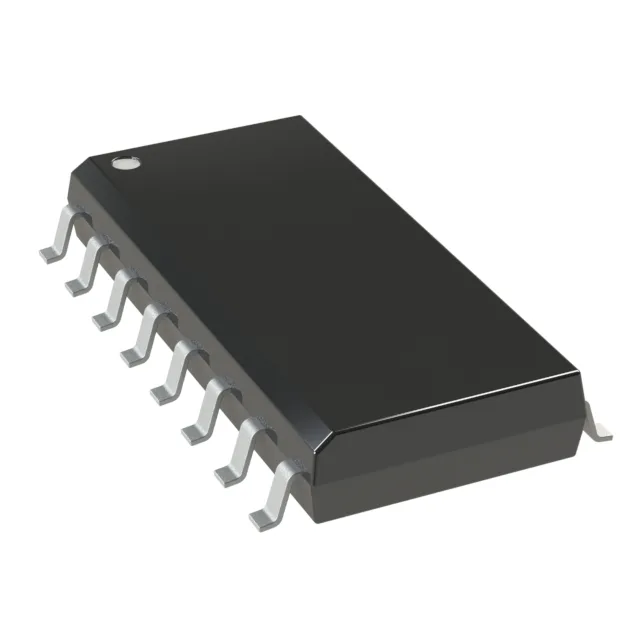
The supplier device package is the same 16-TSSOP, so the footprint is standard across the MAX9722 family. Tube packaging means the parts ship in anti-static tubes rather than tape-and-reel — relevant for low-volume builds or manual pick-and-place where the tube feeds directly into the feeder. For higher volumes, confirm tape-and-reel availability at quote time.