Analog Devices MAX9276AGTN/V+ — Microcontrollers & Processors (MCU / MPU / DSP)

MAX9276AGTN/V+ GMSL Deserializer, 3.12 Gbps, 56-TQFN

MPNMAX9276AGTN/V+
End of Life

Analog Devices GMSL Deserializer, MAX9276AGTN/V+, 3.12 Gbps, 56-TQFN (8x8) Exposed Pad, Tray, Active.

$16.18Ref. price · indicative, final on quote
Packaging56-WFQFN Exposed Pad
StockContact for availability
Lead timeIn Stock wk
MOQ1 pcs
  • 100% new & originalTraceable channels only — no refurbs, no pulls, no remarked parts.
  • Date & lot codes on quoteStated per line before you commit; label photos on request.
  • MSL-compliant ESD packingMoisture-sealed bags with indicator cards; reels photo-verified.
  • PayPal buyer protectionPay by T/T, PayPal or Payoneer — card payments covered end to end.

Specifications

MAX9276AGTN/V+ Technical Specifications
ParameterValue
Input typeCML
Output typeLVCMOS
Mounting typeSurface Mount
Voltage1.7V ~ 1.9V
Number of inputs1
Number of outputs32
Operating temperature-40°C ~ 105°C (TA)
PackageTray
FunctionDeserializer
Data rate3.12Gbps
Case56-WFQFN Exposed Pad

Product details

What the 3.12 Gbps data rate means for your link budget

The MAX9276AGTN/V+ is a GMSL deserializer that takes a single CML serial input at up to 3.12 Gbps and fans it out to 32 parallel LVCMOS outputs. That data rate is the raw serial lane speed — it supports uncompressed 1080p video at 60 fps plus embedded control data over a single coax or STP cable, which is what makes it a fit for automotive surround-view cameras and industrial machine-vision links where the cable run is 15 meters or more.

Package and rework — will it survive the hot air?

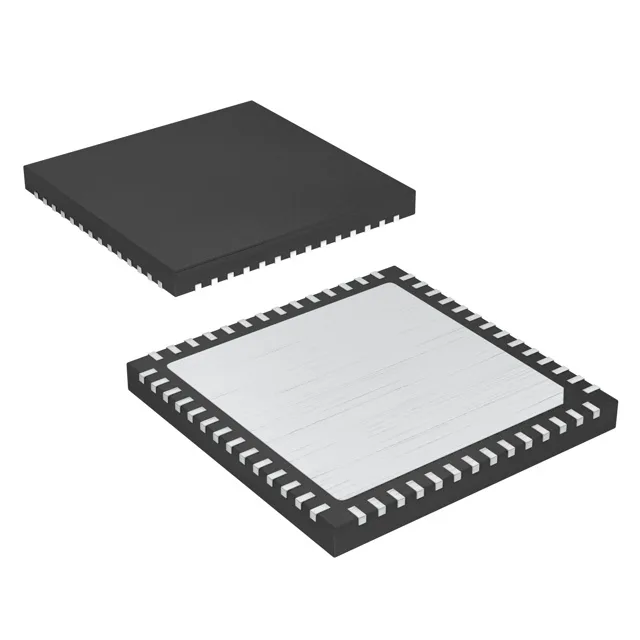
It comes in a 56-lead TQFN with an exposed pad (8x8 mm body). The pad is soldered to a ground plane on the board, which pulls heat out of the die but also makes hand rework a two-step process: preheat the board from the bottom to 100°C, then hit the package with a hot-air nozzle at 300°C until the solder reflows. The exposed pad needs a stencil with a 50% aperture reduction to avoid solder voids that lift the part off the board. Orientation is marked by a pin-1 dot on the top — without it you are guessing under a microscope.