What this comparator does for your signal chain
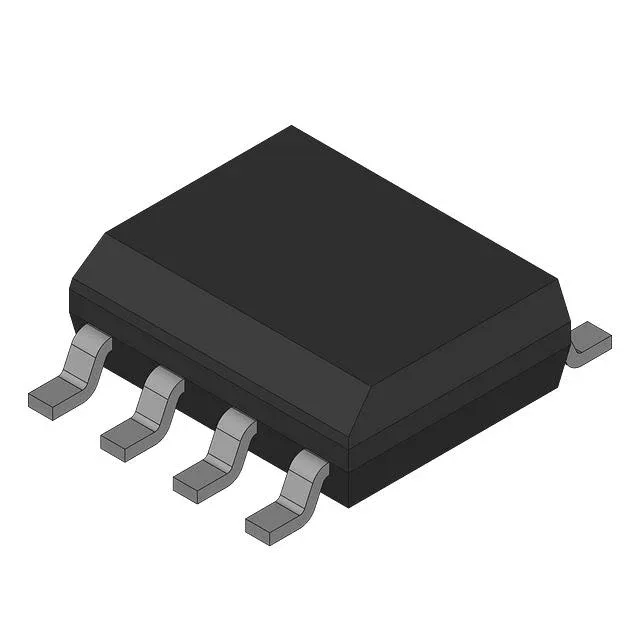
The Maxim Integrated MAX923MSA/PR-T is a dual general-purpose comparator in an 8-SOIC package. The quiescent current is 4.5 µA maximum. The supply range spans 2.5 V to 11 V single supply, or ±1.25 V to ±5.5 V dual. Operating temperature is -55°C to 125°C.
At 12 µs typical, the MAX923MSA/PR-T is a general-purpose comparator, not a high-speed part. That delay suits it for overvoltage/undervoltage lockout, battery monitoring, and temperature threshold alarms where the signal changes in milliseconds, not nanoseconds. If your design needs sub-microsecond response for switch-mode power supply feedback or high-frequency zero-crossing, this part will add phase lag you cannot afford. For the applications it targets, the 12 µs delay is a non-issue — the real constraint is the 4.5 µA quiescent current, which keeps the comparator alive in a low-power system without draining the battery.
4.5 µA quiescent current — the battery-life decision
The 4.5 µA maximum quiescent current across both comparators is the headline spec for anyone sizing a battery-powered board.
Military temperature range — deployment context
Think avionics engine control, satellite power management, downhole drilling instrumentation, and military vehicle electronics. The 8-SOIC package is surface-mount, so it fits standard PCB assembly lines, but the temperature rating means the board must handle the thermal expansion and solder-joint stress that come with extreme cycling. For a design targeting these environments, the MAX923MSA/PR-T is a known quantity — no need to derate or qualify a commercial part for the full range.