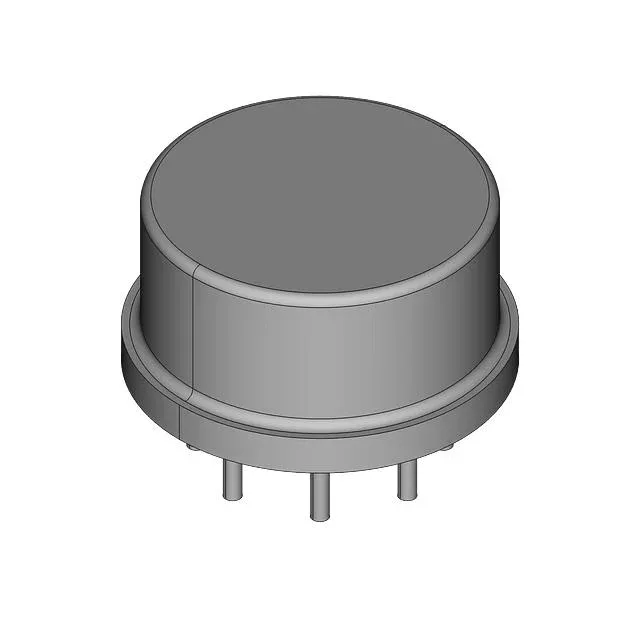
The Maxim Integrated MAX8211MTV is a simple reset/power-on reset IC that monitors a single voltage rail and asserts an active-low reset signal when the supply drops below a programmed threshold. The adjustable/selectable voltage threshold lets you set the trip point with external resistors, so the same part covers multiple rail voltages across a BOM. The open-drain/open-collector output pulls low on fault and can be wire-ORed with other reset outputs or pulled up to a different voltage than the monitored rail. The metal can also provides better thermal conduction and shielding against radiated EMI compared to epoxy-molded packages.
Threshold adjustability — one part, many rails
Because the voltage threshold is adjustable/selectable, you are not locked into a fixed trip point. A resistor divider sets the threshold to whatever undervoltage limit your processor or FPGA data sheet calls for. That flexibility simplifies inventory: one MAX8211MTV line item covers multiple designs, as long as the board can accommodate the through-hole footprint.
Package and mounting — plan for the can
The TO-99-8 metal can is a through-hole package with eight leads arranged in a circular pattern. It is not compatible with surface-mount reflow processes.
RoHS status — compliance matters
The MAX8211MTV is listed as RoHS non-compliant. That is typical for hermetic metal-can packages that use lead-bearing solder seals or tin-lead plating. If your project requires full RoHS compliance, you will need an exemption (e.g., military or aerospace) or a waiver. For legacy BOMs or high-reliability programs that already allow tin-lead, this is not a problem.
For procurement planning, there is no LTB risk today, but given the niche package and the industry trend toward SMD supervisors, it is worth monitoring for future PCNs.