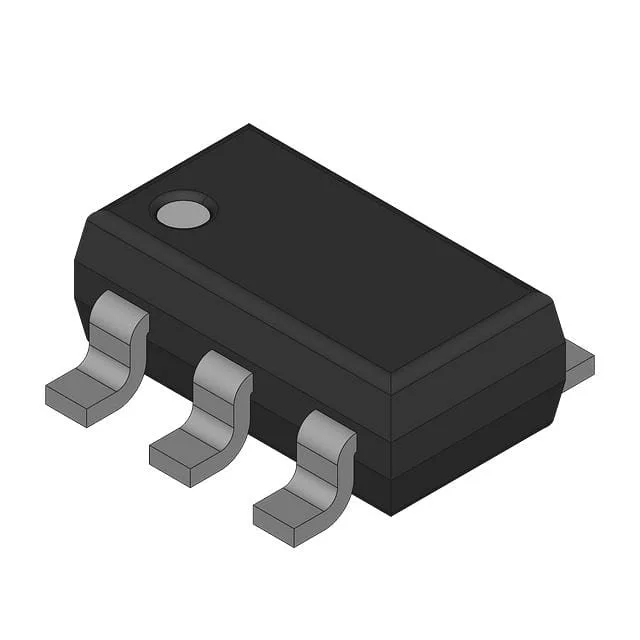
20µs reset timeout — what it means for brownout handling
The 20µs typical reset timeout is short enough that a microcontroller or FPGA sees the reset pulse as a clean glitch, not a prolonged brownout event. In practice this means the supervisor catches supply dips faster than most processors can latch a fault, so the system resets before corrupted data propagates. For designs that need a longer hold-off — say, waiting for a bulk capacitor to charge — the adjustable threshold version lets you add an external capacitor to stretch the timeout.
Active high reset with push-pull output
The active high reset polarity means the output goes high when a fault is detected. This is the opposite of the common active-low supervisor, so verify your processor's reset input before dropping this into a legacy board. The push-pull (totem pole) output drives the reset line without requiring an external pull-up resistor, saving one component per rail. It can source and sink current directly, which simplifies the BOM for multi-voltage monitors where you'd otherwise need open-drain with a pull-up to each rail.
No last-time-buy or discontinuation notice has been issued.