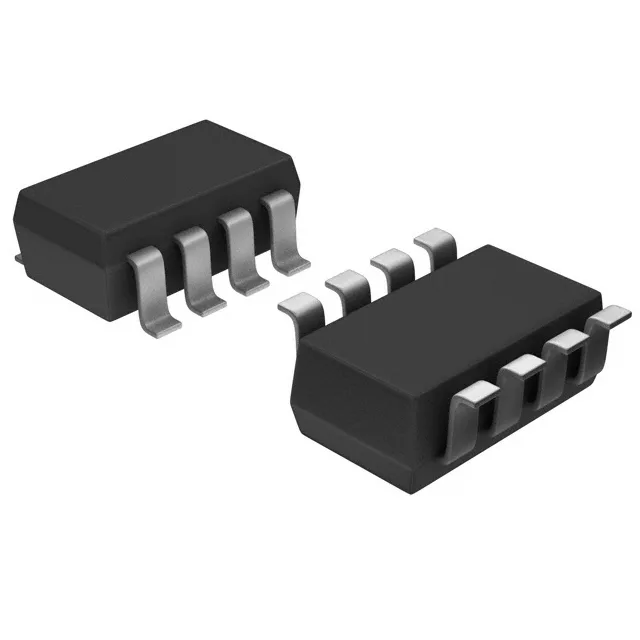
Analog Devices MAX6703ASKA+T — Power Management (PMIC / Gate Driver)

MAX6703ASKA+T Multi-Voltage Supervisor, 3-Ch, SOT-23-8

MPNMAX6703ASKA+T
End of Life

Analog Devices MAX6703ASKA+T multi-voltage supervisor, 3-channel, active-low open-drain reset, 140ms timeout, SOT-23-8, surface mount.

$6.1Ref. price · indicative, final on quote
PackagingSOT-23-8
StockContact for availability
Lead timeIn Stock wk
MOQ1 pcs
  • 100% new & originalTraceable channels only — no refurbs, no pulls, no remarked parts.
  • Date & lot codes on quoteStated per line before you commit; label photos on request.
  • MSL-compliant ESD packingMoisture-sealed bags with indicator cards; reels photo-verified.
  • PayPal buyer protectionPay by T/T, PayPal or Payoneer — card payments covered end to end.

Specifications

MAX6703ASKA+T Technical Specifications
ParameterValue
TypeMulti-Voltage Supervisor
Mounting typeSurface Mount
Voltage - threshold2.93V, Adj, Adj
Number of voltages monitored3
Operating temperature-40°C ~ 125°C (TA)
ResetActive Low
OutputOpen Drain or Open Collector
PackageTape & Reel (TR); Cut Tape (CT)
Reset timeout140ms Minimum
CaseSOT-23-8

Product details

Three-rail supervisor in a SOT-23-8 footprint

The MAX6703ASKA+T is a three-channel multi-voltage supervisor from Analog Devices, monitoring up to three supply rails with a fixed threshold of 2.93 V on one channel and two adjustable inputs. The active-low, open-drain reset output asserts when any monitored voltage falls below its threshold and holds for a minimum of 140 ms after all rails recover, giving downstream logic time to stabilize before the system restarts.

Threshold flexibility for mixed-voltage boards

The other two channels are adjustable via external resistor dividers, so a single MAX6703ASKA+T can supervise a 1.8 V core supply, a 2.5 V I/O rail, and a 3.3 V bus all at once — reducing component count compared to using three single-channel supervisors. The SOT-23-8 package keeps the board footprint small, but the thermal impedance is higher than a larger SOIC — in a 125°C ambient the internal die temperature rise from self-heating is negligible because the supervisor draws microamps, so no derating is needed.