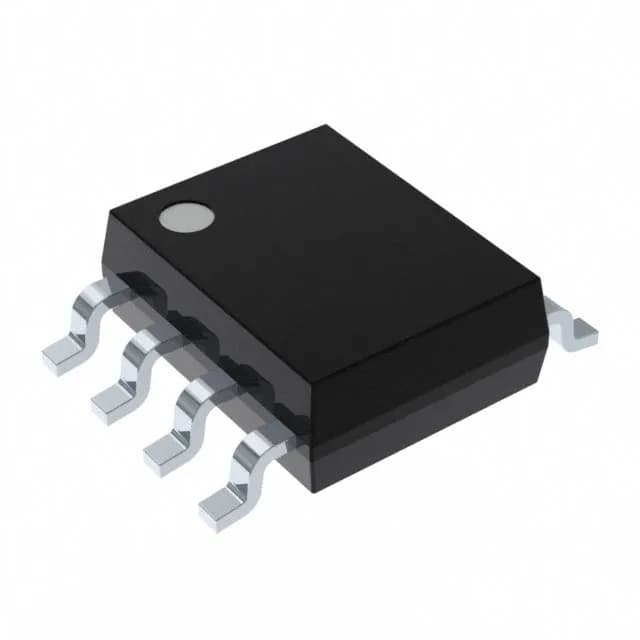
Analog Devices MAX643AESA+ — Analog & Data Acquisition

MAX643AESA+ Boost Regulator, 50kHz, 450mA, 8-SOIC

MPNMAX643AESA+
End of Life

Analog Devices MAX643AESA+, Step-Up Boost Regulator, Adjustable Output 1.31V to 18V, 450mA Switch, 50kHz, 8-SOIC, Surface Mount, -40°C to 85°C.

$11.92Ref. price · indicative, final on quote
Packaging8-SOIC (0.154", 3.90mm Width)
StockContact for availability
MOQ1 pcs
  • 100% new & originalTraceable channels only — no refurbs, no pulls, no remarked parts.
  • Date & lot codes on quoteStated per line before you commit; label photos on request.
  • MSL-compliant ESD packingMoisture-sealed bags with indicator cards; reels photo-verified.
  • PayPal buyer protectionPay by T/T, PayPal or Payoneer — card payments covered end to end.

Specifications

MAX643AESA+ Technical Specifications
ParameterValue
Output typeAdjustable (Fixed)
Mounting typeSurface Mount
Voltage - input16.5V
Voltage - output18V (Switch)
Voltage - output (Min (Fixed))1.31V (15V)
Current - output450mA (Switch)
Frequency50kHz
Number of outputs1
Operating temperature-40°C ~ 85°C (TA)
PackageTube
FunctionStep-Up
TopologyBoost
Case8-SOIC (0.154\", 3.90mm Width)
Output configurationPositive
Synchronous rectifierNo

Product details

What the MAX643AESA+ is and where it fits

The MAX643AESA+ is a step-up (boost) switching regulator from Analog Devices, delivering a positive adjustable output from a low-voltage input. It switches at 50 kHz and can deliver up to 450 mA on the internal switch.

Lifecycle and sourcing reality

It is ROHS3 compliant, which simplifies compliance for EU and global builds. No last-time-buy risk to plan for on this line.

Frequently asked questions

What is the switching frequency of MAX643AESA+?

The switching frequency is 50 kHz. This is a fixed-frequency architecture, not a pulse-skipping or PFM type.

Does MAX643AESA+ have a synchronous rectifier?

No, it uses an external Schottky diode for the boost rectifier. The internal switch handles the low-side, and the diode provides the output path. This is typical for boost converters in this power range.