Inverting buck for negative rails
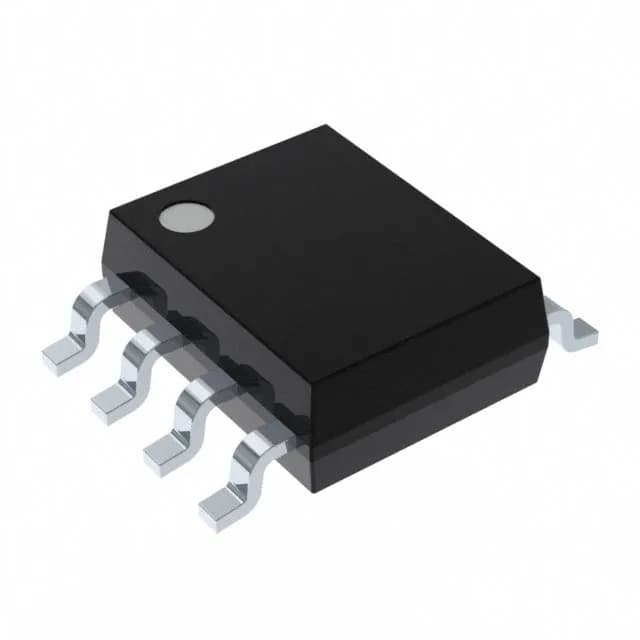
The Maxim Integrated MAX635AESA+ is a 50 kHz inverting buck (step-down) switching regulator that delivers up to 500 mA from a single 2.3 V to 16.5 V input. It generates a negative output adjustable from -1.31 V down to -5 V (fixed -5 V option). The part comes in an 8-pin SOIC surface-mount package and is rated for industrial temperature environments from -40°C to 85°C.
50 kHz switching — what it means for your board
The 50 kHz switching frequency is low by modern standards. It keeps switching losses and conducted EMI low, but the inductor and output capacitor will be physically larger than what you'd use with a 500 kHz or 1 MHz regulator. Plan for a through-hole or large SMT inductor and a bulk electrolytic cap on the output. The trade-off is worth it if you're sensitive to high-frequency noise or working on a legacy board that already uses 50 kHz magnetics.
Negative output — niche but essential
The MAX635AESA+ produces a negative output voltage, making it the right choice for generating a -5 V rail from a positive supply. Typical applications include biasing analog front-ends, op-amp supplies, or LCD contrast voltages in industrial and telecom equipment.
Input range and output current
The 2.3 V to 16.5 V input range covers common supply voltages. The 500 mA output is enough for a small negative rail — think a few op-amps, a comparator, or a low-power ADC reference.
Lifecycle and sourcing
It is ROHS3 compliant. For a BOM freeze or a new design, this part can be specified without an immediate LTB watch.