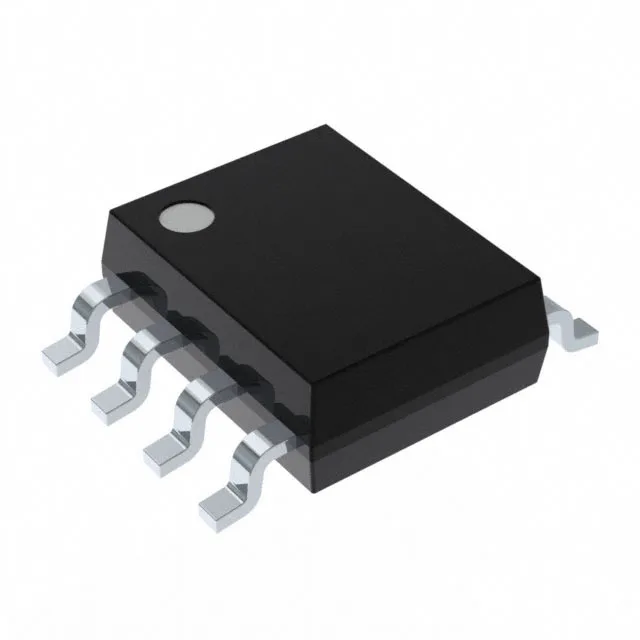
Analog Devices MAX626ESA+ — Discrete Semiconductors

MAX626ESA+ MOSFET Driver, 2A Peak, Low-Side, 8-SOIC

MPNMAX626ESA+
End of Life

Analog Devices MAX626ESA+ dual low-side MOSFET gate driver, 2A peak output, 4.5V-18V supply, inverting input, N/P-channel independent, 8-SOIC surface-mount package, tube.

$6.03Ref. price · indicative, final on quote
Packaging8-SOIC (0.154", 3.90mm Width)
StockContact for availability
Lead timeIn Stock wk
MOQ1 pcs
  • 100% new & originalTraceable channels only — no refurbs, no pulls, no remarked parts.
  • Date & lot codes on quoteStated per line before you commit; label photos on request.
  • MSL-compliant ESD packingMoisture-sealed bags with indicator cards; reels photo-verified.
  • PayPal buyer protectionPay by T/T, PayPal or Payoneer — card payments covered end to end.

Specifications

MAX626ESA+ Technical Specifications
ParameterValue
Gate typeN-Channel, P-Channel MOSFET
Input typeInverting
Channel typeIndependent
Mounting typeSurface Mount
Voltage4.5V ~ 18V
Logic voltage - VIL, VIH0.8V, 2.4V
Current - peak output (Source, sink)2A, 2A
Operating temperature-40°C ~ 85°C (TA)
PackageTube
Case8-SOIC (0.154\", 3.90mm Width)
Number of drivers2
Driven configurationLow-Side
Rise (Fall time)25ns, 20ns

Product details

Dual 2A low-side driver for N- and P-channel MOSFETs

The MAX626ESA+ is a dual low-side MOSFET driver from Analog Devices, designed to drive both N-channel and P-channel MOSFETs independently. Each channel delivers a peak output current of 2A for both source and sink, making it suitable for switching power MOSFETs in DC-DC converters, motor drivers, and class-D audio amplifiers.

Switching speed and thermal envelope

The 8-SOIC package dissipates heat through the leads; at 2A peak currents with high duty cycles, thermal management via PCB copper planes is recommended. The independent channel architecture means each output can drive a separate MOSFET with its own return path, avoiding cross-conduction in half-bridge topologies when used with proper dead-time circuitry.