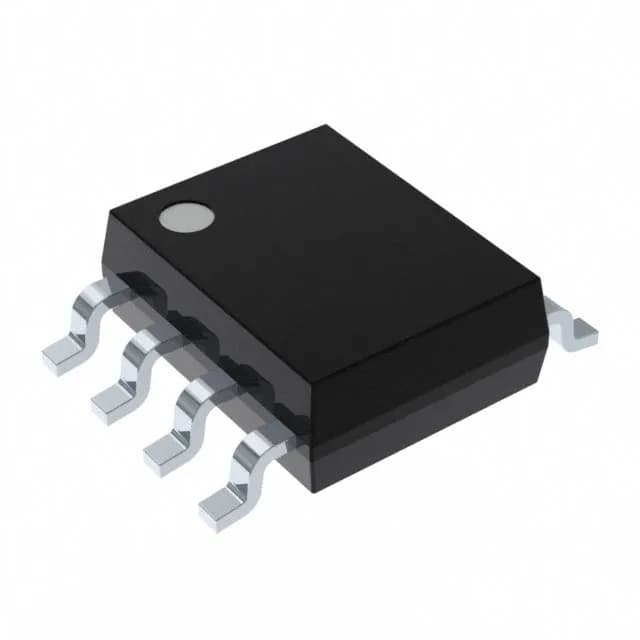
4.096V at ±0.02% — what the buried zener buys you
The Maxim Integrated MAX6241ACSA+ is a precision series voltage reference that delivers a fixed 4.096V output with an initial tolerance of ±0.02% and a temperature coefficient of 2ppm/°C over the 0°C to 70°C commercial range. It uses a buried zener architecture, which inherently produces lower noise and better long-term stability than bandgap references — 2.4µVp-p noise from 0.1Hz to 10Hz and 2µVrms from 10Hz to 10kHz. The 8V to 36V input range lets it run from unregulated industrial rails or automotive battery buses, while the 15mA output capability can directly bias multiple ADC references or sensor bridges without a buffer. In an 8-SOIC package, it fits standard analog footprints and is ROHS3 compliant.
Where the drift and noise specs matter
The 2ppm/°C drift is the number that separates this part from commodity references — over the full 70°C span the output shifts less than 0.6mV, which keeps a 16-bit ADC's LSB error below 1 count without software calibration. The 2.4µVp-p low-frequency noise matters for precision weigh scales, medical instrumentation, and data acquisition front-ends where 1/f noise would otherwise limit resolution. The 3.2mA supply current is modest for a buried zener; it runs cool enough that self-heating doesn't degrade the drift spec in still air.
Active production, no LTB risk
It is ROHS3 compliant and remains a current catalog item from Maxim Integrated (now part of Analog Devices). For new designs the buried-zener noise floor and drift are the differentiators versus cheaper bandgap references; for sustaining production the active status removes supply-chain urgency.