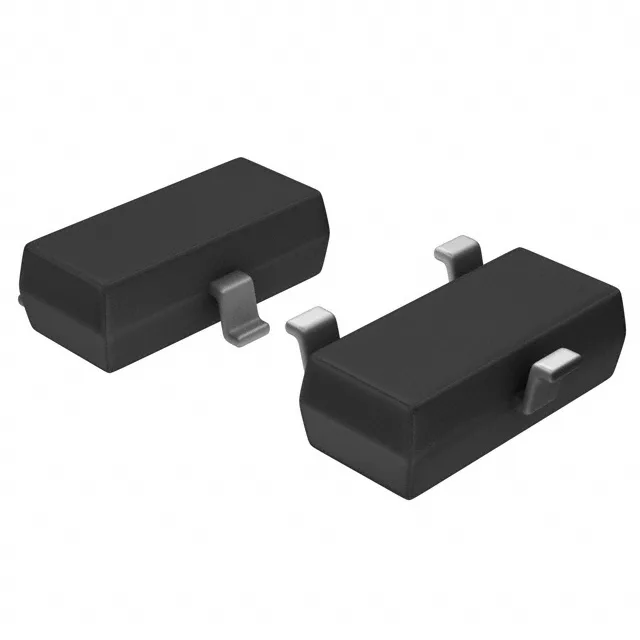
What the 2.5V fixed output and ±0.4% tolerance mean for your ADC or DAC reference rail
The MAX6102EUR+T: For a 12-bit ADC with a 2.5 V reference, that ±10 mV window directly sets the full-scale error budget before any temperature or noise effects are added. As a series reference, it regulates the output by sourcing or sinking current up to 5 mA, which means it can drive the reference input of multiple ADCs or a DAC without needing an external buffer, as long as the total load stays under that ceiling. The 125 µA quiescent supply current makes it a fit for battery-operated instrumentation where every microamp counts — a sensor node waking once a minute to take a reading spends most of its life in a low-power state, and this reference's draw is a fraction of the MCU's sleep current.
Noise and drift: the specs that govern measurement stability
In a 16-bit ADC system with a 2.5 V reference, that noise floor contributes roughly 0.5 LSBs of peak-to-peak noise — acceptable for many industrial measurements but worth noting if you are targeting 18-bit resolution or higher. If your system calibrates at 25°C and operates at 85°C, that 60°C delta adds 4.5 mV of drift — about 0.18% of the 2.5 V output, which is significant for precision measurement chains. The 2.7 V minimum means it will not regulate from a 2.5 V rail.
Package and board-fit: SOT-23-3 in automated assembly
The Tape & Reel (TR) and Cut Tape (CT) packaging options support both volume production and prototyping runs. Surface-mount mounting type is the norm for modern SMT assembly lines; the three-pin footprint is straightforward to route even on two-layer boards.
ROHS3 compliance covers the European Union's Restriction of Hazardous Substances directive, ensuring the part meets current environmental standards for lead-free assembly and global shipping.