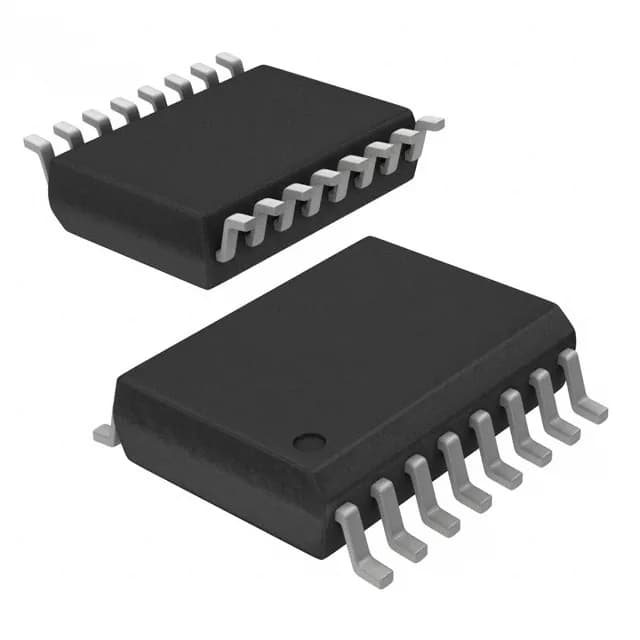
Analog Devices MAX536BEWE+ — DC-DC Power Modules

MAX536BEWE+ DAC, 12-Bit, 4-Ch, Voltage-Output, 16-SOIC

MPNMAX536BEWE+
End of Life

Maxim Integrated MAX536BEWE+, 12-bit quad DAC, voltage-buffered output, R-2R architecture, SPI data interface, 3µs settling time, 10.8V–13.2V and -5V analog supply, -40°C to +85°C, 16-SOIC.

$43.62Ref. price · indicative, final on quote
Packaging16-SOIC (0.295", 7.50mm Width)
StockContact for availability
MOQ1 pcs
  • 100% new & originalTraceable channels only — no refurbs, no pulls, no remarked parts.
  • Date & lot codes on quoteStated per line before you commit; label photos on request.
  • MSL-compliant ESD packingMoisture-sealed bags with indicator cards; reels photo-verified.
  • PayPal buyer protectionPay by T/T, PayPal or Payoneer — card payments covered end to end.

Specifications

MAX536BEWE+ Technical Specifications
ParameterValue
Output typeVoltage - Buffered
Mounting typeSurface Mount
Reference typeExternal
Voltage - supply, analog10.8V ~ 13.2V, -5V
InterfaceSPI
Operating temperature-40°C ~ 85°C
PackageTube
ArchitectureR-2R
INL (DNL)±1 (Max), ±1 (Max)
Settling time3µs (Typ)
Number of bits12
Case16-SOIC (0.295\", 7.50mm Width)
Differential outputNo
Number of d (A converters)4

Product details

Four 12-bit DACs in one 16-SOIC

The Maxim Integrated MAX536BEWE+ packs four 12-bit digital-to-analog converters into a single 16-SOIC package, each with a voltage-buffered output. It uses an R-2R ladder architecture and communicates over an SPI data interface. Typical applications include industrial process control, automated test equipment, and multi-channel offset/gain trimming where board space is tight and you need four independent analog outputs from one footprint.

Supply voltage — the dual-rail constraint

The MAX536BEWE+ requires an analog supply of 10.8 V to 13.2 V and a separate -5 V rail. That dual-supply requirement is the first thing to check against your existing board rails — if your design only has a single positive supply, you will need to add a negative regulator or charge pump. The external reference input (REF) gives you flexibility to set the output span independent of the supply rails.

3 µs settling — fast enough for most update loops

The typical settling time is 3 µs.

Active and available — no end-of-life concern

No last-time-buy or obsolescence risk for new designs. ROHS3 compliant, which simplifies export and regulatory paperwork.

Frequently asked questions

What is the settling time of the MAX536BEWE+?

The typical settling time is 3 µs, which supports update rates above 300 kHz per channel when the SPI bus is clocked fast enough.

What are the alternatives to MAX536BEWE+?

Within the same family, the MAX536AEWE+ is a pin-compatible variant with slightly different INL specs — the MAX536BEWE+ guarantees ±1 LSB INL/DNL, which is the tighter grade. No direct second-source from another manufacturer is listed, but the Maxim MAX53x series shares the same footprint across density options.