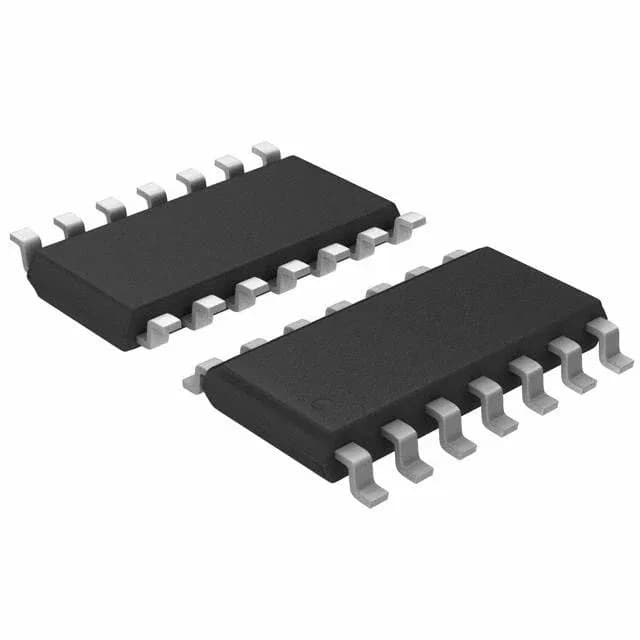
12-bit voltage-output DAC with SPI — what it is and where it fits
The Maxim MAX531BESD+ is a single-channel 12-bit digital-to-analog converter with a buffered voltage output, using an R-2R ladder architecture. It communicates over a standard SPI interface, making it a straightforward drop-in for any system with a spare SPI port and a need for a precision analog output. The part operates from a split ±5 V analog supply and a separate 5 V digital supply, which keeps the analog and digital domains isolated on the board — useful when you are feeding a downstream analog stage that expects a clean bipolar swing.
Key ratings and what they mean for the BOM
The 25 µs typical settling time to 1 LSB sets the update rate. At 40 kHz full-scale steps, this DAC keeps up with most slow-loop control or sensor-excitation updates. If your application needs faster throughput — say, audio-rate or high-speed arbitrary waveform generation — you will want a current-output or segmented DAC with a sub-microsecond settling time. For motor-drive current references, PLC analog outputs, or programmable voltage sources, 25 µs is adequate. The industrial temperature range (-40°C to +85°C) covers factory-floor enclosures, outdoor telecom cabinets, and under-hood automotive auxiliary modules. The 14-SOIC package is a common footprint; board layout is straightforward, and the SPI bus keeps the digital trace count low.
Lifecycle and compliance — no surprises
The MAX531BESD+ is listed as Active with ROHS3 compliance. For a BOM freeze or a new design, this part is a safe choice — you are not inheriting an obsolescence risk. The ROHS3 status covers the full substance restriction list, so it passes the compliance gate for EU and most global markets without an exemption review.