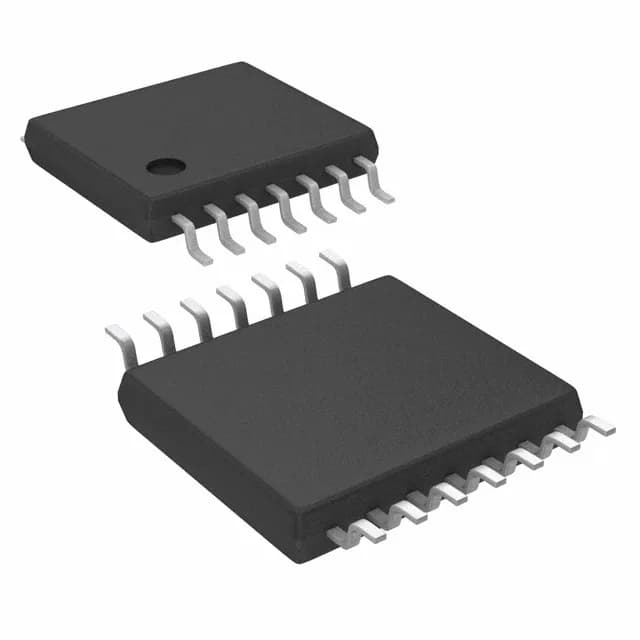
Analog Devices MAX5079EUD+ — DC-DC Power Modules

MAX5079EUD+ N+1 ORing Controller, 2.75V–13.2V, 14-TSSOP

MPNMAX5079EUD+
End of Life

Analog Devices MAX5079EUD+ N+1 ORing Controller, N-Channel FET driver, 2.75V to 13.2V supply, 10 µs turn-on delay, 200 µs turn-off delay, 4 mA supply current, -40°C to 85°C, 14-TSSOP package.

$10.46Ref. price · indicative, final on quote
Packaging14-TSSOP (0.173", 4.40mm Width)
StockContact for availability
MOQ1 pcs
  • 100% new & originalTraceable channels only — no refurbs, no pulls, no remarked parts.
  • Date & lot codes on quoteStated per line before you commit; label photos on request.
  • MSL-compliant ESD packingMoisture-sealed bags with indicator cards; reels photo-verified.
  • PayPal buyer protectionPay by T/T, PayPal or Payoneer — card payments covered end to end.

Specifications

MAX5079EUD+ Technical Specifications
ParameterValue
TypeN+1 ORing Controller
FET typeN-Channel
Mounting typeSurface Mount
Voltage2.75V ~ 13.2V
Current - supply4 mA
Operating temperature-40°C ~ 85°C
PackageTube
ApplicationsBase Station-Networking Line Cards, Servers
Case14-TSSOP (0.173\", 4.40mm Width)
Delay time - ON10 µs
Delay time - OFF200 µs
Internal switchNo
Ratio - Input:OutputN:1

Product details

What the delay times mean for your rail

The 10 µs turn-on delay is fast enough to catch a sagging rail before the downstream converter browns out, but slow enough to avoid false triggering on load transients. The 200 µs turn-off delay gives the failing rail time to decay gracefully, preventing the good rail from back-feeding into a short. If you're sizing hold-up capacitors, the off-delay sets the window the output must stay within spec before the FET opens—tighten the cap bank if your load pulls hard during that 200 µs.

Lifecycle and sourcing reality

No direct pin-compatible second source is listed in the official record, but the part is widely stocked across the surplus channel—the scorch mark on a dead board tells you this controller is usually the part that survived, not the one that failed.

Frequently asked questions

What is an N+1 ORing controller?

An N+1 ORing controller drives an external N-channel MOSFET to combine multiple power rails (e.g., from redundant supplies) into a single output bus. If one rail fails, the controller turns off its FET, isolating the fault while the other rails continue to power the load—critical for base station and server uptime.