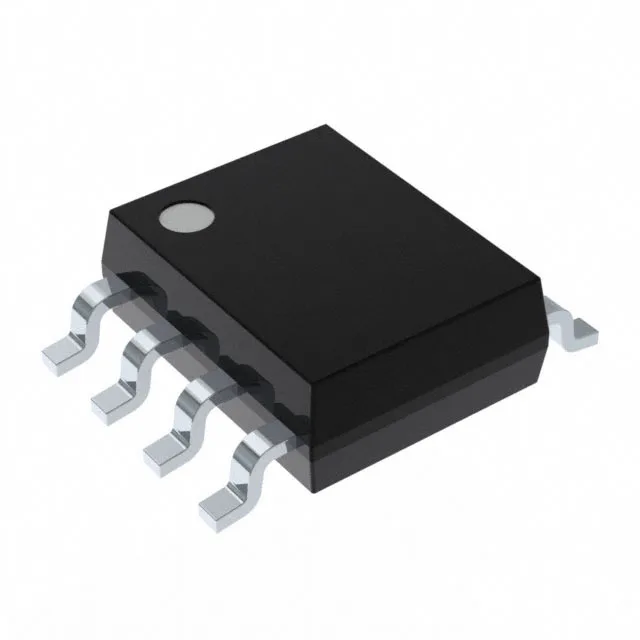
Analog Devices MAX5035DASA+ — DC-DC Power Modules

MAX5035DASA+ Analog Devices Buck Regulator, 1A, 76V Input

MPNMAX5035DASA+
End of Life

Analog Devices MAX5035DASA+ DC-DC Power Modules, Step-Down Buck, Adjustable Output, 1A, 7.5V-76V Input, 8-SOIC, Tube.

$5.41Ref. price · indicative, final on quote
Packaging8-SOIC (0.154", 3.90mm Width)
StockContact for availability
Lead timeIn Stock wk
MOQ1 pcs
  • 100% new & originalTraceable channels only — no refurbs, no pulls, no remarked parts.
  • Date & lot codes on quoteStated per line before you commit; label photos on request.
  • MSL-compliant ESD packingMoisture-sealed bags with indicator cards; reels photo-verified.
  • PayPal buyer protectionPay by T/T, PayPal or Payoneer — card payments covered end to end.

Specifications

MAX5035DASA+ Technical Specifications
ParameterValue
Output typeAdjustable
Mounting typeSurface Mount
Voltage - input7.5V
Voltage - output13.2V
Voltage - output (Min (Fixed))1.25V
Current - output1A
Frequency125kHz
Number of outputs1
Operating temperature-40°C ~ 125°C (TJ)
PackageTube
FunctionStep-Down
TopologyBuck
Case8-SOIC (0.154\", 3.90mm Width)
Output configurationPositive
Synchronous rectifierNo

Product details

Wide-input buck for industrial and automotive rails

The MAX5035DASA+ is a 1A adjustable step-down (buck) switching regulator from Analog Devices, designed to handle input voltages from 7.5V up to 76V. That 76V ceiling covers 24V industrial buses with margin for transients, 48V telecom rails, and 12V/24V automotive systems where load-dump spikes can hit 60V. The output adjusts from 1.25V to 13.2V, so it can power a 3.3V MCU rail, a 5V sensor bus, or a 12V relay supply from the same design.

What the switching frequency and package mean on the bench

The 125 kHz switching frequency is on the low side by modern standards. That means the inductor and output capacitor will be physically larger than what you'd use with a 500 kHz or 1 MHz part, but the switching losses in the internal FET are lower, and the radiated noise spectrum is easier to filter. For a board that sits near a sensitive analog front-end, this is a deliberate trade-off. The 8-SOIC package is a rework-friendly footprint. No thermal pad underneath — the die's heat flows through the leadframe and out the pins into the copper pour. The junction temperature rating goes to 125°C, so in a 85°C ambient the part has 40°C of headroom before derating. If you see a scorch mark around pin 5 on a dead board, this is the first suspect. Note the 'No Synchronous Rectifier' flag. This part uses an external Schottky diode for the catch diode. That diode's forward drop and reverse leakage add to the total loss, especially at light loads. If efficiency below 100 mA matters in your design, budget for a low-Vf Schottky with a 100V rating to match the input ceiling.

Frequently asked questions

What is the closest pin-compatible alternative to MAX5035DASA+ in this DC-DC family?

The MAX5035 series shares the same 8-SOIC footprint and pinout across its fixed and adjustable output voltage variants, but a different output voltage version (e.g., a fixed 3.3V or 5V variant) is not a functional replacement if your design requires the adjustable output range. Confirm the BOM position before substituting.