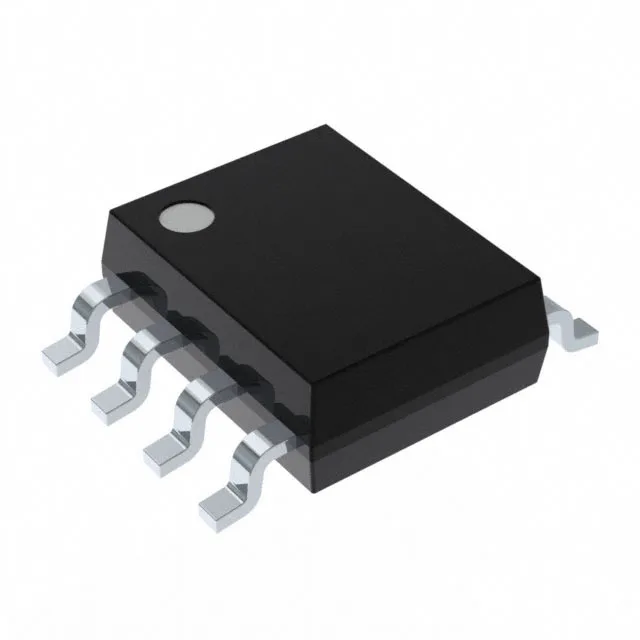
Analog Devices MAX5035AASA+ — DC-DC Power Modules

MAX5035AASA+ Analog Devices Buck Regulator, 3.3V 1A SOIC-8

MPNMAX5035AASA+
End of Life

Analog Devices MAX5035AASA+ DC-DC Power Modules, Step-Down (Buck) regulator, Fixed 3.3V output, 1A, 125kHz, 8-SOIC, Surface Mount, Tube.

$5.57Ref. price · indicative, final on quote
Packaging8-SOIC (0.154", 3.90mm Width)
StockContact for availability
Lead timeIn Stock wk
MOQ1 pcs
  • 100% new & originalTraceable channels only — no refurbs, no pulls, no remarked parts.
  • Date & lot codes on quoteStated per line before you commit; label photos on request.
  • MSL-compliant ESD packingMoisture-sealed bags with indicator cards; reels photo-verified.
  • PayPal buyer protectionPay by T/T, PayPal or Payoneer — card payments covered end to end.

Specifications

MAX5035AASA+ Technical Specifications
ParameterValue
Output typeFixed
Mounting typeSurface Mount
Voltage - input7.5V
Voltage - output (Min (Fixed))3.3V
Current - output1A
Frequency125kHz
Number of outputs1
Operating temperature-40°C ~ 125°C (TJ)
PackageTube
FunctionStep-Down
TopologyBuck
Case8-SOIC (0.154\", 3.90mm Width)
Output configurationPositive
Synchronous rectifierNo

Product details

76 V input, 1 A output — wide-bus buck for industrial rails

The MAX5035AASA+ is a fixed 3.3 V output step-down (buck) regulator from Analog Devices, delivering 1 A continuous from a 7.5 V to 76 V input bus. The 125 kHz switching frequency keeps the inductor small while staying below the AM broadcast band — useful in noise-sensitive industrial enclosures. The 76 V maximum input covers 24 V industrial rails with headroom for transients, as well as 48 V telecom buses and 12 V/24 V automotive systems — no external pre-regulator needed.

No synchronous rectifier — external diode impacts BOM and light-load efficiency

The MAX5035AASA+ does not integrate a synchronous rectifier. An external Schottky catch diode is required in the standard buck topology — add a 1 A, 100 V rated diode to the BOM. This increases the component count and board area but keeps the regulator cost lower than a synchronous alternative. At light loads, the diode's forward drop reduces efficiency compared to a synchronous FET — expect a few percent penalty below 100 mA output. For always-on or low-power standby rails, factor this into the thermal budget.

Availability and current pricing confirmed at RFQ time.