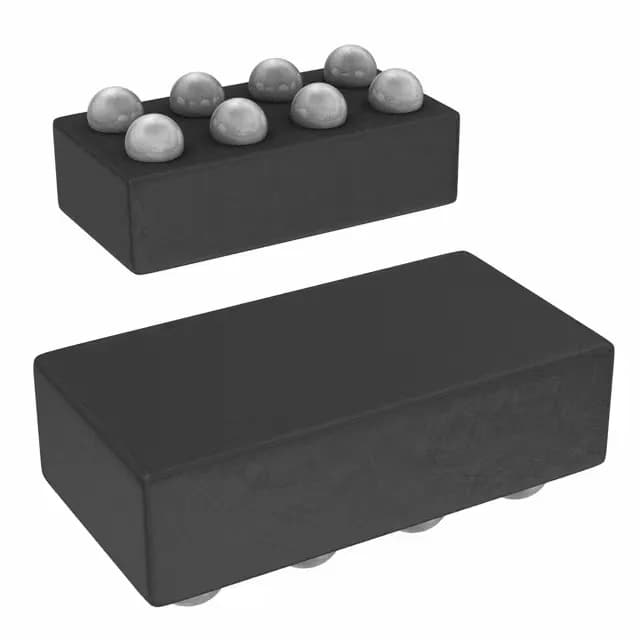
Analog Devices MAX44285LAWA+T — Logic ICs

MAX44285LAWA+T Current Sense Amplifier, 80 kHz, 8-WLP

MPNMAX44285LAWA+T
End of Life

Maxim Integrated MAX44285LAWA+T, Current Sense Amplifier, dual circuit, 80 kHz -3dB bandwidth, 12 µV input offset, 2.7 V to 5.5 V supply, -40°C to 125°C, 8-WLP package, Surface Mount.

$9.08Ref. price · indicative, final on quote
Packaging8-WFBGA, WLBGA
StockContact for availability
MOQ1 pcs
  • 100% new & originalTraceable channels only — no refurbs, no pulls, no remarked parts.
  • Date & lot codes on quoteStated per line before you commit; label photos on request.
  • MSL-compliant ESD packingMoisture-sealed bags with indicator cards; reels photo-verified.
  • PayPal buyer protectionPay by T/T, PayPal or Payoneer — card payments covered end to end.

Specifications

MAX44285LAWA+T Technical Specifications
ParameterValue
Mounting typeSurface Mount
Amplifier typeCurrent Sense
Voltage - input offset12 µV
Voltage - supply span5.5 V
Current - input bias65 µA
Operating temperature-40°C ~ 125°C
-3db bandwidth80 kHz
PackageTape & Reel (TR); Cut Tape (CT)
Case8-WFBGA, WLBGA
Number of circuits2

Product details

The MAX44285LAWA+T: The 80 kHz -3dB bandwidth sets the practical upper frequency for accurate gain — above that the response rolls off, so this part suits DC and low-frequency AC current monitoring in power supplies, motor drives, and battery-management systems where the load dynamics stay below a few tens of kilohertz. The 12 µV input offset voltage keeps the error small at low shunt drops, which is the key spec when you are sensing milliohm shunts at amp-level currents.

Supply span and temperature range

Input bias current is 65 µA per amplifier, which loads the shunt slightly — factor that into the shunt value calculation if you are measuring microamp-level currents.

Lifecycle and compliance

ROHS3 compliant.

Frequently asked questions

Can MAX44285LAWA+T handle a 5V supply?

Yes.

What is the bandwidth of MAX44285LAWA+T?

The -3dB bandwidth is 80 kHz. This is the frequency at which the gain drops by 3 dB; for accurate current measurement, keep the signal content below roughly one-tenth of that bandwidth.