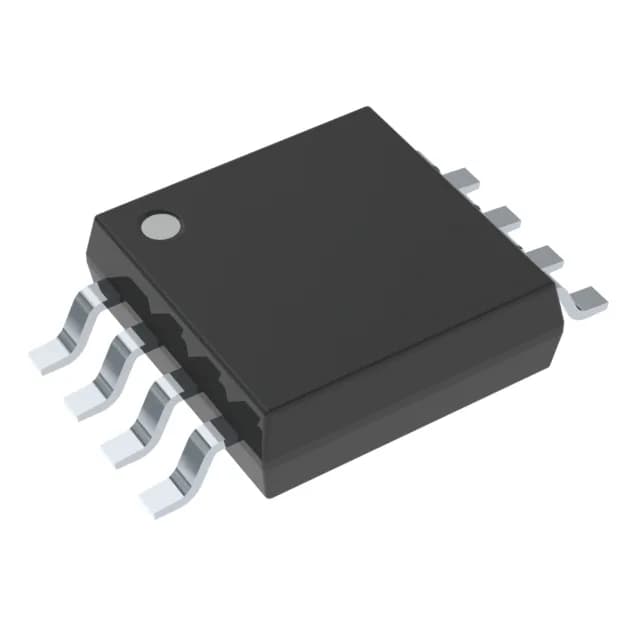
Analog Devices MAX4198EUA+ — DC-DC Power Modules

MAX4198EUA+ Differential Op-Amp, 175 kHz, Rail-to-Rail

MPNMAX4198EUA+
End of Life

Maxim Integrated Beyond-the-Rails™ MAX4198EUA+, differential amplifier, 1 circuit, 175 kHz -3dB bandwidth, 0.07 V/µs slew rate, rail-to-rail output, 2.7 V to 7.5 V supply, 45 µA supply current, 8-uMAX/uSOP surface-mount package, -40°C to 85°C.

$5.03Ref. price · indicative, final on quote
Packaging8-TSSOP, 8-MSOP (0.118", 3.00mm Width)
StockContact for availability
MOQ1 pcs
  • 100% new & originalTraceable channels only — no refurbs, no pulls, no remarked parts.
  • Date & lot codes on quoteStated per line before you commit; label photos on request.
  • MSL-compliant ESD packingMoisture-sealed bags with indicator cards; reels photo-verified.
  • PayPal buyer protectionPay by T/T, PayPal or Payoneer — card payments covered end to end.

Specifications

MAX4198EUA+ Technical Specifications
ParameterValue
SeriesBeyond-the-Rails™
Output typeRail-to-Rail
Mounting typeSurface Mount
Amplifier typeDifferential
Voltage - input offset100 µV
Voltage - supply span7.5 V
Current - supply45µA
Current - output (Channel)5.5 mA
Operating temperature-40°C ~ 85°C
-3db bandwidth175 kHz
PackageTube
Slew rate0.07V/µs
Case8-TSSOP, 8-MSOP (0.118\", 3.00mm Width)
Number of circuits1

Product details

Supply range and output swing

The 2.7 V to 7.5 V supply span covers single-rail voltages plus Li-ion battery range. Rail-to-rail output means the amplifier can swing within millivolts of either supply rail. The 5.5 mA output current per channel is adequate to drive a typical SAR ADC input or a reference buffer.

Lifecycle and sourcing

The MAX4198EUA+ is listed as Active with ROHS3 compliance. No end-of-life notice or last-time-buy window is in effect.

Frequently asked questions

What is the bandwidth of MAX4198EUA+?

The -3 dB bandwidth is 175 kHz, with a slew rate of 0.07 V/µs. This suits low-frequency sensor and instrumentation applications.

Is MAX4198EUA+ rail-to-rail?

Yes, the output type is rail-to-rail, allowing the output to swing close to both supply rails for maximum dynamic range at low voltages.