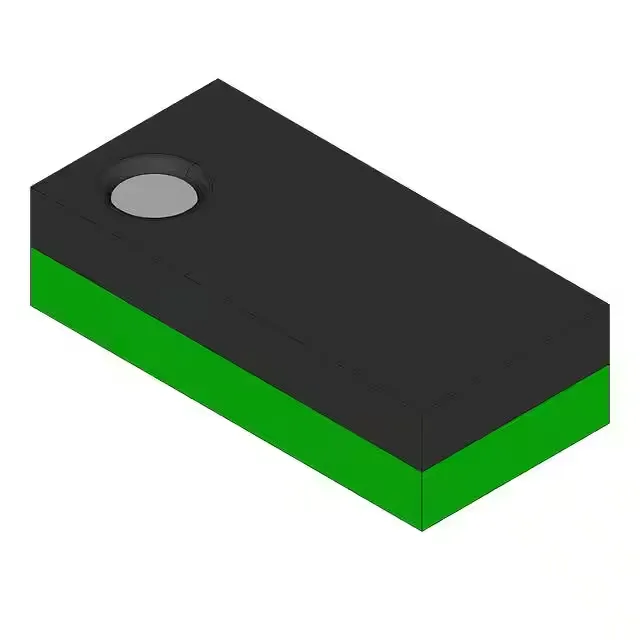
Analog Devices MAX4163EBL+T — Discrete Semiconductors

MAX4163EBL+T Analog Devices Op Amp, 200 kHz, Rail-to-Rail

MPNMAX4163EBL+T
End of Life

Analog Devices MAX4163EBL+T general-purpose op amp, dual channel, 200 kHz gain bandwidth, 0.115 V/µs slew rate, rail-to-rail output, 9-WLP package, Tape & Reel.

$5.25Ref. price · indicative, final on quote
Packaging9-WFBGA, WLBGA
StockContact for availability
Lead timeIn Stock wk
MOQ1 pcs
  • 100% new & originalTraceable channels only — no refurbs, no pulls, no remarked parts.
  • Date & lot codes on quoteStated per line before you commit; label photos on request.
  • MSL-compliant ESD packingMoisture-sealed bags with indicator cards; reels photo-verified.
  • PayPal buyer protectionPay by T/T, PayPal or Payoneer — card payments covered end to end.

Specifications

MAX4163EBL+T Technical Specifications
ParameterValue
Output typeRail-to-Rail
Mounting typeSurface Mount
Amplifier typeGeneral Purpose
Voltage - input offset500 µV
Voltage - supply span2.5 V
Current - supply25µA (x2 Channels)
Current - input bias1 pA
Current - output (Channel)15 mA
Operating temperature-40°C ~ 85°C
Gain bandwidth product200 kHz
PackageTape & Reel (TR); Cut Tape (CT)
Slew rate0.115V/µs
Case9-WFBGA, WLBGA
Number of circuits2

Product details

Supply current, input bias, and offset — the signal-chain budget

The MAX4163EBL+T: Each channel draws 25 µA supply current, so the dual amplifier consumes 50 µA total quiescent — negligible in a 24/7 sensor node but worth tracking against the system power budget.

Temperature grade and supply range

Supply span runs from 2.5 V minimum to 10 V maximum, so it works on a single Li-ion cell (3.0-4.2 V), a 3.3 V rail, or a 5 V regulated bus without needing a separate supply.

RoHS3 compliant — no exemption-based restrictions on the six restricted substances plus the four phthalates.

Frequently asked questions

What is the slew rate of MAX4163EBL+T?

The slew rate is 0.115 V/µs. Combined with the 200 kHz gain-bandwidth product, this sets the practical small-signal bandwidth ceiling — expect clean amplification up to roughly 20-30 kHz before slew-rate limiting distorts larger output swings.