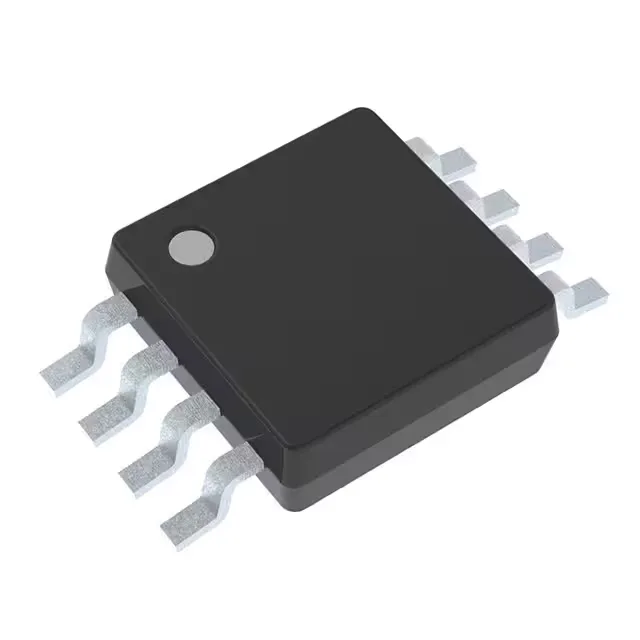
High-voltage current sense in a small footprint
The MAX4080SAUA is a single-channel current-sense amplifier. The 250 kHz bandwidth covers DC and low-frequency transient monitoring. Supply current is 75 µA. Input offset voltage is 100 µV.
The 4.5 V minimum supply means the part can run from a 5 V rail, but the real value is the 76 V maximum. That covers 48 V nominal systems (telecom, PoE, mild-hybrid automotive) with margin for load-dump transients. The 75 µA supply current is the typical figure; at 125°C junction, expect some increase, but the part stays below 150 µA based on the architecture. For a 24/7 always-on sensor node, that quiescent draw is a fraction of the total budget.
250 kHz bandwidth is enough for DC load monitoring, battery fuel gauging, and overcurrent detection with response times in the microsecond range. It is not fast enough for switching power-supply current loops or motor phase-current control above a few kHz — those need a wider-bandwidth amplifier or a dedicated current-sense ADC. The 100 µV input offset translates to a 1% error with a 10 mΩ shunt at 1 A; for sub-100 mA measurements, a larger shunt or a lower-offset part would be needed. Input bias current is 5 µA, which is typical for a bipolar-input current-sense amp — factor it into the shunt divider if the shunt voltage is very low.
The MAX4080SAUA is not tape-and-reel, so plan for hand-placing or tube feeding. The package is 8-µMAX (3.00 mm body width). No exposed thermal pad.
The RoHS status is listed as non-compliant, so this variant is not lead-free — confirm your assembly process accepts tin-lead solder or order the RoHS-compliant suffix if available.