Core specs and what they mean on the bench
The MAX32660GTP+ runs an ARM Cortex-M4F core at 96 MHz — that's enough throughput for real-time sensor fusion or motor-control loops without a separate DSP. The 256 KB flash and 96 KB RAM give you headroom for a modest application stack plus a RTOS footprint; if your code overflows flash, you'll need to step up to a larger member of the DARWIN family. The wide range also means it tolerates a drooping battery without browning out — useful in portable or battery-backed designs. The industrial temperature grade (-40°C to +105°C) qualifies it for outdoor telecom, engine-bay-adjacent electronics, or factory-floor controllers where the ambient sees 85°C and the self-heating adds another 20°C.
Package and board-fit reality
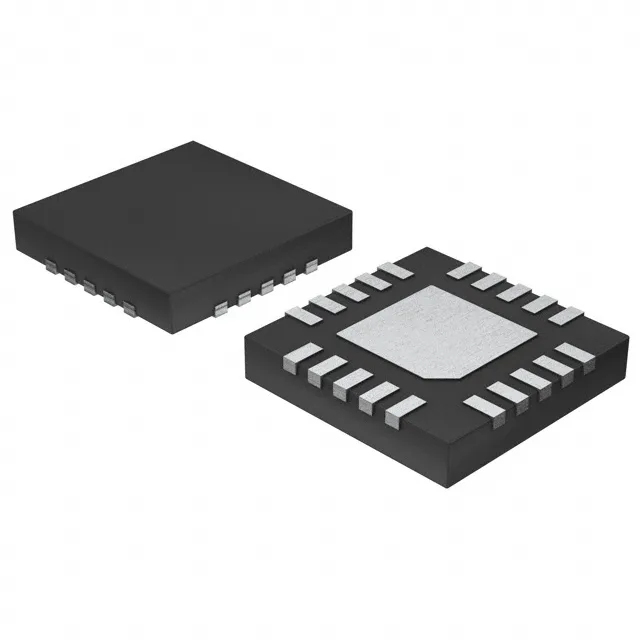
Surface-mount only; no through-hole variant exists. If you're retrofitting a board that originally used a larger package, you'll need a new layout.
Connectivity and peripherals for sensor/control tasks
The part brings I²C, SPI, and UART/USART serial interfaces — enough to talk to common sensors, ADCs, or wireless modules. On-chip peripherals include PWM for motor or LED dimming, DMA for memory-to-peripheral transfers without CPU load, and a watchdog timer for fail-safe reset. With 14 I/O pins in a 20-pin package, about half the pins are dedicated to GPIO — plan your pin budget early if you need multiple external interrupts or parallel buses.
Sourcing and lifecycle posture
It's ROHS3 compliant, so it ships globally without restriction.