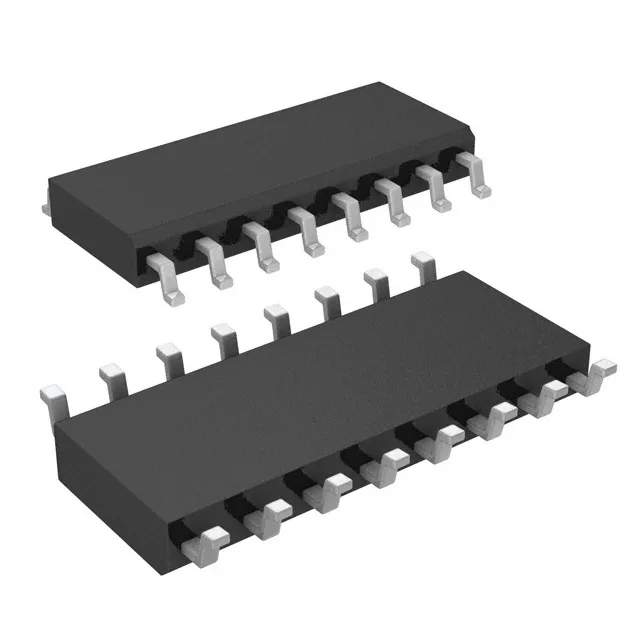
Analog Devices MAX3097EESE+ — DC-DC Power Modules

MAX3097EESE+ RS422/RS485 Receiver, 32Mbps, 16-SOIC

MPNMAX3097EESE+
End of Life

Analog Devices MAX3097EESE+ RS422/RS485 Receiver, 32Mbps, 40mV Hysteresis, 3V-5.5V Supply, 0/3 Drivers/Receivers, 16-SOIC, Tube, -40°C to 85°C.

$15.55Ref. price · indicative, final on quote
Packaging16-SOIC (0.154", 3.90mm Width)
StockContact for availability
Lead time3-5 Days wk
MOQ1 pcs
  • 100% new & originalTraceable channels only — no refurbs, no pulls, no remarked parts.
  • Date & lot codes on quoteStated per line before you commit; label photos on request.
  • MSL-compliant ESD packingMoisture-sealed bags with indicator cards; reels photo-verified.
  • PayPal buyer protectionPay by T/T, PayPal or Payoneer — card payments covered end to end.

Specifications

MAX3097EESE+ Technical Specifications
ParameterValue
TypeReceiver
Mounting typeSurface Mount
Voltage3V ~ 5.5V
ProtocolRS422, RS485
Operating temperature-40°C ~ 85°C
PackageTube
Data rate32Mbps
Case16-SOIC (0.154\", 3.90mm Width)
Receiver hysteresis40 mV
Number of drivers (Receivers)0/3

Product details

32Mbps RS422/RS485 receiver with 40mV hysteresis

The MAX3097EESE+ is a triple RS422/RS485 receiver from Analog Devices, offering a 32Mbps data rate with 40mV of receiver hysteresis for noise immunity in differential bus applications. Operating from a 3V to 5.5V supply over -40°C to 85°C, this part suits industrial control, motor drive, and fieldbus interfaces where the bus runs at RS422 or RS485 levels.

The 1.27mm pitch is standard for SOIC-16 — the footprint matches the JEDEC MS-012 variation and places without tombstoning risk on a standard reflow profile. The 40mV hysteresis ensures the receiver rejects noise on long cable runs without external filtering — useful when the bus spans across a factory floor or between cabinets.

Frequently asked questions

What is the MAX3097EESE+ used for?

It is a triple RS422/RS485 receiver that converts differential bus signals to single-ended logic levels at up to 32Mbps. Typical applications include industrial automation, motor drive feedback, and fieldbus interfaces where noise immunity on long cable runs is required.