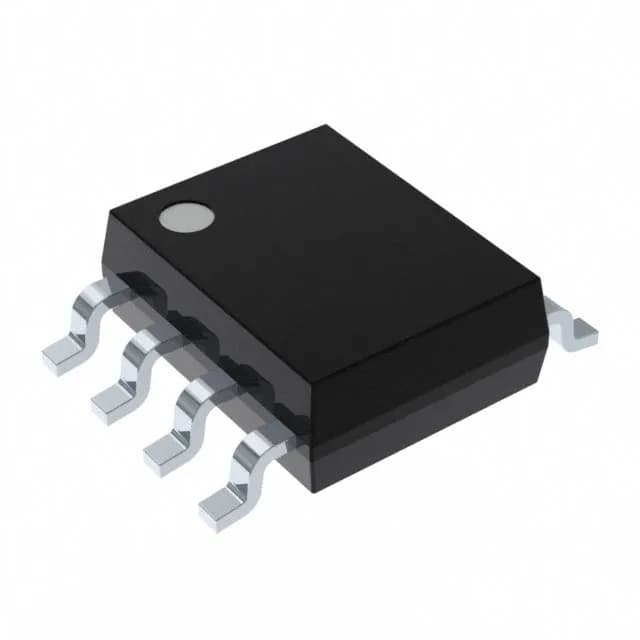
Analog Devices MAX3074EASA+ — Analog & Data Acquisition

MAX3074EASA+ RS-485/RS-422 Transceiver, Full Duplex, 500kbps

MPNMAX3074EASA+
End of Life

Analog Devices MAX3074EASA+, RS-422/RS-485 Transceiver, Full Duplex, 1/1 Drivers/Receivers, 500kbps, 3V-3.6V, -40°C to 125°C, 8-SOIC Package.

$8.1Ref. price · indicative, final on quote
Packaging8-SOIC (0.154", 3.90mm Width)
StockContact for availability
MOQ1 pcs
  • 100% new & originalTraceable channels only — no refurbs, no pulls, no remarked parts.
  • Date & lot codes on quoteStated per line before you commit; label photos on request.
  • MSL-compliant ESD packingMoisture-sealed bags with indicator cards; reels photo-verified.
  • PayPal buyer protectionPay by T/T, PayPal or Payoneer — card payments covered end to end.

Specifications

MAX3074EASA+ Technical Specifications
ParameterValue
TypeTransceiver
Mounting typeSurface Mount
Voltage3V ~ 3.6V
ProtocolRS422, RS485
Operating temperature-40°C ~ 125°C
DuplexFull
PackageTube
Data rate500kbps
Case8-SOIC (0.154\", 3.90mm Width)
Receiver hysteresis100 mV
Number of drivers (Receivers)1/1

Product details

What this part is and where it fits

The MAX3074EASA+ is a full-duplex RS-422/RS-485 transceiver from Analog Devices, with one driver and one receiver in an 8-SOIC package. It supports 500kbps data rate over a 3V to 3.6V supply.

Temperature grade and environment

Rated for -40°C to 125°C, with 100 mV receiver hysteresis.

Lifecycle and sourcing reality

The MAX3074EASA+ has an Active lifecycle status and ROHS3 compliance.

Frequently asked questions

Is MAX3074EASA+ compatible with 5V logic?

No — the supply range is 3V to 3.6V, and the bus pins are not 5V-tolerant. You will need a level translator or a different transceiver if your system uses 5V logic.

What is the difference between MAX3074EASA+ and MAX3075EASA+?

The MAX3074EASA+ is a full-duplex transceiver (separate TX and RX lines), while the MAX3075EASA+ is half-duplex (shared TX/RX lines with direction control). Both run at 500kbps and share the same 8-SOIC footprint, so the choice comes down to bus topology.