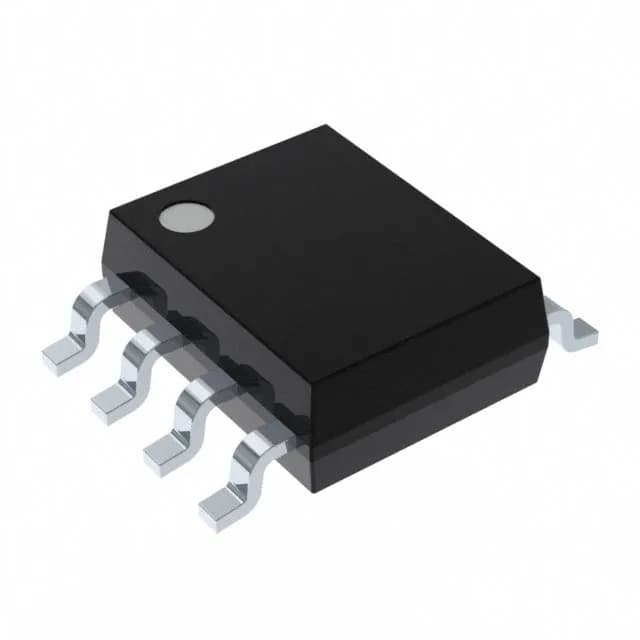
Analog Devices MAX3051ESA+T — Discrete Semiconductors

MAX3051ESA+T CAN Transceiver, Half-Duplex, 1 Mbps, 8-SOIC

MPNMAX3051ESA+T
End of Life

Maxim Integrated MAX3051ESA+T, Type Transceiver, Half Duplex, CANbus Protocol, 1Mbps Data Rate, 3.14V–3.47V Supply, 8-SOIC Surface Mount Package, -40°C to +85°C Operating Temperature.

$3.91Ref. price · indicative, final on quote
Packaging8-SOIC (0.154", 3.90mm Width)
StockContact for availability
MOQ1 pcs
  • 100% new & originalTraceable channels only — no refurbs, no pulls, no remarked parts.
  • Date & lot codes on quoteStated per line before you commit; label photos on request.
  • MSL-compliant ESD packingMoisture-sealed bags with indicator cards; reels photo-verified.
  • PayPal buyer protectionPay by T/T, PayPal or Payoneer — card payments covered end to end.

Specifications

MAX3051ESA+T Technical Specifications
ParameterValue
TypeTransceiver
Mounting typeSurface Mount
Voltage3.14V ~ 3.47V
ProtocolCANbus
Operating temperature-40°C ~ 85°C
DuplexHalf
PackageTape & Reel (TR); Cut Tape (CT)
Data rate1Mbps
Case8-SOIC (0.154\", 3.90mm Width)
Receiver hysteresis20 mV
Number of drivers (Receivers)1/1

Product details

3.3V CAN transceiver for industrial and automotive auxiliary networks

The MAX3051ESA+T is a half-duplex CAN transceiver. It supports data rates up to 1 Mbps and operates from a 3.14 V to 3.47 V supply.

Lifecycle and compliance

It is ROHS3 compliant, meeting the latest EU restriction-of-hazardous-substances directive.

Frequently asked questions

Is MAX3051ESA+T RoHS compliant?

Yes, it is ROHS3 compliant.

Can MAX3051ESA+T interface with a 5V microcontroller?

No, the logic levels are referenced to the 3.3 V supply rail. A 5 V MCU would require a level shifter or a 3.3 V-tolerant I/O to drive TXD without exceeding the input voltage limits.

What is the difference between MAX3051ESA+T and MAX3050ESA+T?

The MAX3050ESA+T is a 5 V CAN transceiver, while the MAX3051ESA+T operates from 3.14 V to 3.47 V. They are not pin-compatible drop-in replacements due to the different supply voltage requirements.