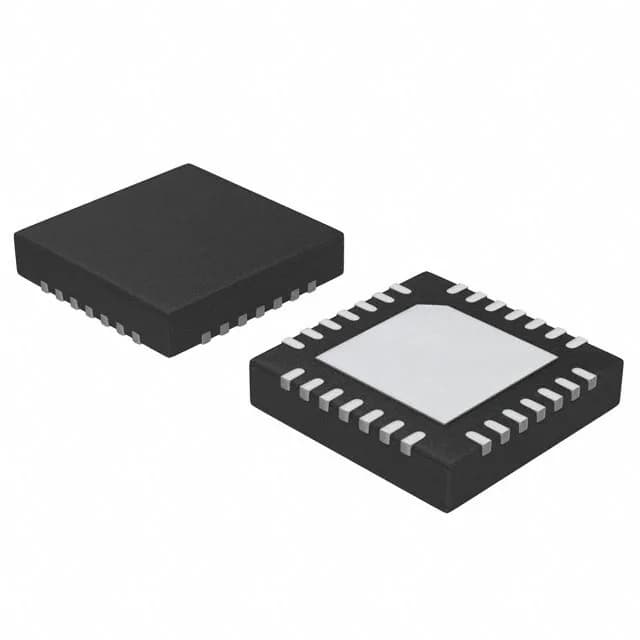
Analog Devices MAX1908ETI+T — Discrete Semiconductors

MAX1908ETI+T Multi-Chemistry Battery Charger IC, 2-4 Cells

MPNMAX1908ETI+T
End of Life

Analog Devices MAX1908ETI+T, Multi-Chemistry Battery Charger IC, 2-4 Cells, 17.6V Max Pack Voltage, 28V Supply, -40°C to 85°C, 28-TQFN (5x5) Exposed Pad, Tape & Reel.

$7.86Ref. price · indicative, final on quote
Packaging28-WFQFN Exposed Pad
StockContact for availability
MOQ1 pcs
  • 100% new & originalTraceable channels only — no refurbs, no pulls, no remarked parts.
  • Date & lot codes on quoteStated per line before you commit; label photos on request.
  • MSL-compliant ESD packingMoisture-sealed bags with indicator cards; reels photo-verified.
  • PayPal buyer protectionPay by T/T, PayPal or Payoneer — card payments covered end to end.

Specifications

MAX1908ETI+T Technical Specifications
ParameterValue
Mounting typeSurface Mount
Battery pack voltage17.6V (Max)
Voltage28V
Operating temperature-40°C ~ 85°C (TA)
PackageTape & Reel (TR); Cut Tape (CT)
Case28-WFQFN Exposed Pad
Number of cells2 ~ 4
Battery chemistryMulti-Chemistry

Product details

Multi-chemistry charger for 2-4 series cells

The MAX1908ETI+T is a multi-chemistry battery charger IC for 2 to 4 series cells. It handles Li+, NiMH, NiCd, and other chemistries from a single charge algorithm.

Lifecycle and sourcing

The MAX1908ETI+T is marked Active with ROHS3 compliance. No NRND or EOL notice is on record, so the part remains a safe choice for new designs and production builds. It is sourced through independent distribution and quoted to order against an RFQ — availability and current pricing confirmed at quote time.

Frequently asked questions

Does MAX1908ETI+T support 4-cell batteries?

Yes, the MAX1908ETI+T supports 2 to 4 series cells, with a maximum pack voltage of 17.6 V. A 4-cell Li+ pack at 16.8 V full charge is within that limit.

What battery chemistries does MAX1908ETI+T support?

It supports multi-chemistry charging — Li+, NiMH, NiCd, and others — using a single charge algorithm, eliminating the need for separate charger variants per chemistry.