Dual-output buck regulator with 60V input tolerance
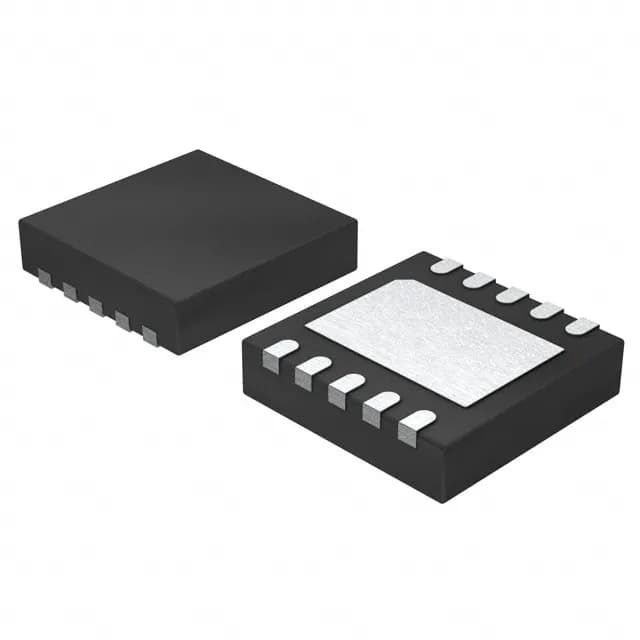
The MAX17671FATB+ from Maxim Integrated is a dual-output step-down (buck) switching regulator that accepts a wide input voltage range from 4V to 60V and delivers two fixed output voltages: 3.3V and 5V. Each output is independently sourced at 50mA and 150mA respectively, with synchronous rectification for improved efficiency at the 610kHz switching frequency. The part operates over the full -40°C to +125°C temperature range, making it suitable for industrial, automotive, and telecommunications power supplies that must handle high-voltage transients and wide thermal swings. Packaged in a 10-lead TDFN with exposed pad (3x3mm), it supports surface-mount assembly with good thermal transfer to the PCB.
Input voltage range: 4V to 60V – what that means for the BOM
The 4V minimum input lets this regulator operate from a 5V rail with headroom, while the 60V maximum covers 48V telecom buses and 24V industrial supplies.
Outputs and current: dual fixed rails for mixed-voltage loads
The 3.3V output rated at 50mA and the 5V output rated at 150mA are both fixed – no external resistor divider required. The 50mA rail typically powers a low-power microcontroller or sensor interface, while the 150mA rail can drive analog front-ends, small relays, or isolated transceivers. If your load draws more than the per-channel rating, parallel the outputs or step up to a single-output regulator with higher current.
Thermal and package reality
The 10-TDFN exposed-pad package (3x3mm) relies on a solid thermal via stitch under the pad to keep junction temperatures within limits at full load and ambient up to 125°C. Without a low-thermal-resistance PCB connection, the part will thermally throttle or exceed the maximum junction temperature. Layout guideline: connect the exposed pad to a large copper pour on the bottom layer with at least four vias.