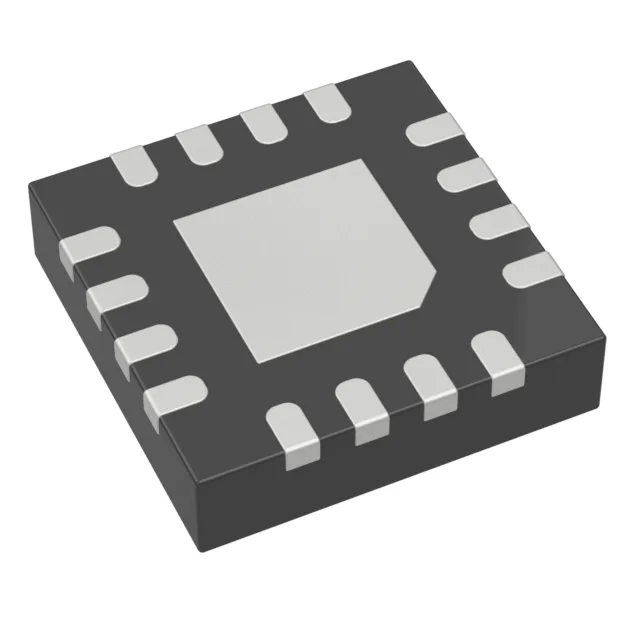
Analog Devices MAX17630CATE+ — Discrete Semiconductors

MAX17630CATE+ Buck Regulator, 1A, 4.5-36V, TQFN

MPNMAX17630CATE+
End of Life

Analog Devices MAX17630CATE+ step-down buck regulator, adjustable output, 1 A, 4.5-36 V input, 16-TQFN (3x3 mm) exposed-pad package, tube.

$2.59Ref. price · indicative, final on quote
Packaging16-WFQFN Exposed Pad
StockContact for availability
Lead timeIn Stock wk
MOQ1 pcs
  • 100% new & originalTraceable channels only — no refurbs, no pulls, no remarked parts.
  • Date & lot codes on quoteStated per line before you commit; label photos on request.
  • MSL-compliant ESD packingMoisture-sealed bags with indicator cards; reels photo-verified.
  • PayPal buyer protectionPay by T/T, PayPal or Payoneer — card payments covered end to end.

Specifications

MAX17630CATE+ Technical Specifications
ParameterValue
Output typeAdjustable
Mounting typeSurface Mount
Voltage - input4.5V
Voltage - output32.4V
Voltage - output (Min (Fixed))0.9V
Current - output1A
Frequency400kHz ~ 2.2MHz
Number of outputs1
Operating temperature-40°C ~ 125°C (TA)
PackageTube
FunctionStep-Down
TopologyBuck
Case16-WFQFN Exposed Pad
Output configurationPositive
Synchronous rectifierYes

Product details

Package and board-fit — 16-TQFN with exposed pad

The MAX17630CATE+ comes in a 16-WFQFN exposed-pad package, supplied as a 3x3 mm TQFN (supplier device package 16-TQFN).

Input range and output — 36 V max, 1 A continuous

This is a step-down (buck) regulator with a single adjustable output, positive polarity. Output can be set from 0.9 V up to 32.4 V via an external feedback divider. The 1 A continuous output current is delivered with an integrated synchronous rectifier, which eliminates the need for an external catch diode and improves efficiency at low output voltages.

Switching frequency and inductor selection

At the lower end, the inductor is physically larger but switching losses are lower — a good fit for thermally constrained enclosures. At 2.2 MHz, the inductor shrinks to a small footprint (e.g., 2.2 µH), which suits space-limited designs but pushes more loss into the internal FETs. The frequency choice also sets the output ripple and the loop compensation values.