Analog Devices MAX16833CAUE/V+T — Microcontrollers & Processors (MCU / MPU / DSP)

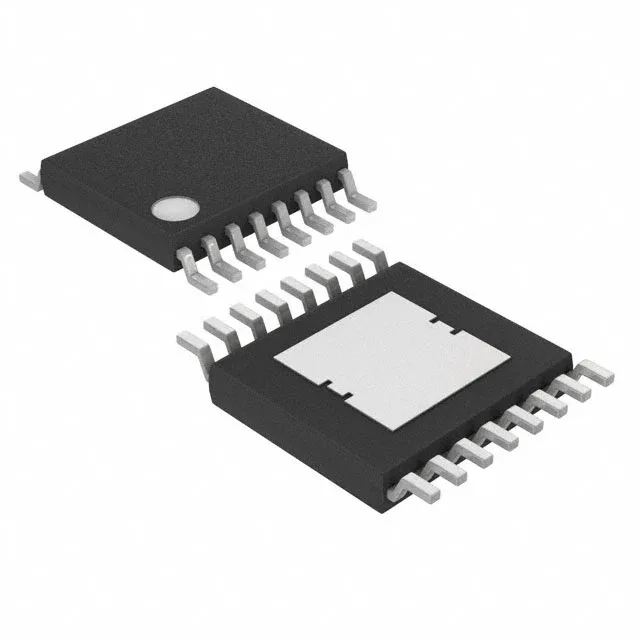
MAX16833CAUE/V+T LED Driver Controller, Automotive, 16-TSSOP

MPNMAX16833CAUE/V+T
End of Life

Analog Devices MAX16833CAUE/V+T DC DC Controller, Automotive Grade, AEC-Q100, 5V to 65V Input, 100kHz to 1MHz, 16-TSSOP-EP Exposed Pad, Tape & Reel.

$7.4Ref. price · indicative, final on quote
Packaging16-TSSOP (0.173", 4.40mm Width) Exposed Pad
StockContact for availability
Lead time3-5 Days wk
MOQ1 pcs
  • 100% new & originalTraceable channels only — no refurbs, no pulls, no remarked parts.
  • Date & lot codes on quoteStated per line before you commit; label photos on request.
  • MSL-compliant ESD packingMoisture-sealed bags with indicator cards; reels photo-verified.
  • PayPal buyer protectionPay by T/T, PayPal or Payoneer — card payments covered end to end.

Specifications

MAX16833CAUE/V+T Technical Specifications
ParameterValue
TypeDC DC Controller
Mounting typeSurface Mount
Voltage65V
Frequency100kHz ~ 1MHz
Number of outputs1
Operating temperature-40°C ~ 125°C (TA)
GradeAutomotive
DimmingAnalog, PWM
PackageTape & Reel (TR); Cut Tape (CT)
TopologyFlyback, SEPIC, Step-Down (Buck), Step-Up (Boost)
ApplicationsLighting
QualificationAEC-Q100
Case16-TSSOP (0.173\", 4.40mm Width) Exposed Pad
Internal switchNo

Product details

Automotive LED driver controller with 5V–65V input range

The MAX16833CAUE/V+T is a DC DC controller designed for LED lighting, rated for automotive environments with AEC-Q100 qualification. Its 5V to 65V supply range covers cold-crank and load-dump transients on a 12V or 24V vehicle bus without external clamping. Topology options include flyback, SEPIC, buck, and boost — the controller handles single-string LED configurations with one output channel. No internal switch means an external MOSFET carries the load, letting the designer size the FET for the actual LED string current and thermal budget.

Switching frequency and dimming control

Oscillator range from 100 kHz to 1 MHz lets the designer tune the inductor size against switching losses — lower frequencies suit high step-ratio topologies like flyback, while 1 MHz shrinks the magnetics for space-constrained boards. Both analog and PWM dimming are supported, giving flexibility for either linear current adjustment or pulse-width-based brightness control.