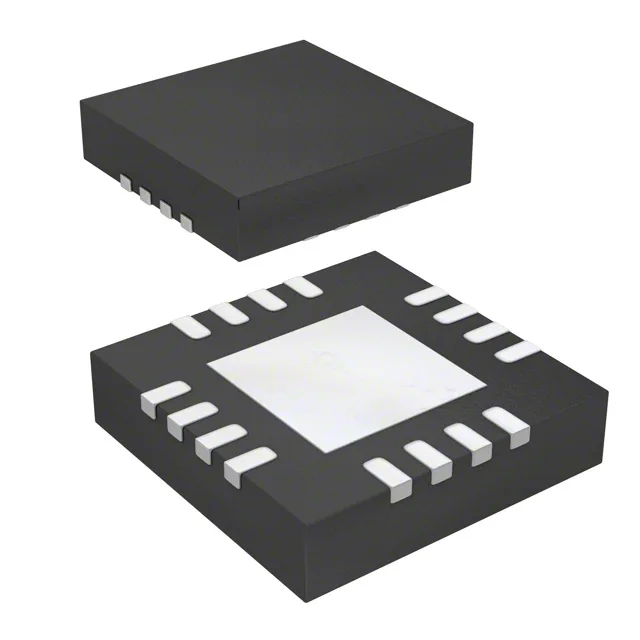
Analog Devices MAX16800ATE+ — DC-DC Power Modules

MAX16800ATE+ Linear LED Driver, 350mA, PWM Dimming, 16-TQFN

MPNMAX16800ATE+
End of Life

Analog Devices MAX16800ATE+ linear LED driver, 350 mA per channel, 39.5 V output, PWM dimming, 16-TQFN (5x5 mm) exposed-pad package, -40°C to 125°C.

$4.9Ref. price · indicative, final on quote
Packaging16-WQFN Exposed Pad
StockContact for availability
Lead timeIn Stock wk
MOQ1 pcs
  • 100% new & originalTraceable channels only — no refurbs, no pulls, no remarked parts.
  • Date & lot codes on quoteStated per line before you commit; label photos on request.
  • MSL-compliant ESD packingMoisture-sealed bags with indicator cards; reels photo-verified.
  • PayPal buyer protectionPay by T/T, PayPal or Payoneer — card payments covered end to end.

Specifications

MAX16800ATE+ Technical Specifications
ParameterValue
TypeLinear
Mounting typeSurface Mount
Voltage - output39.5V
Voltage6.5V
Current - output (Channel)350mA
Number of outputs1
Operating temperature-40°C ~ 125°C (TJ)
DimmingPWM
PackageTube
ApplicationsAutomotive, Signage
Case16-WQFN Exposed Pad
Internal switchYes

Product details

Linear LED driver with integrated switch

The MAX16800ATE+ is a linear LED driver from Analog Devices, delivering 350 mA per channel with a 39.5 V output ceiling. The internal switch handles the pass element, so no external MOSFET is needed for the current path. Dimming is controlled via PWM, which lets you vary brightness by modulating the on-time of the LED string rather than dropping the current — keeps the color temperature stable across the dimming range.

Supply headroom and thermal envelope

Input supply range is 6.5 V to 40 V, so it can run off a nominal 12 V or 24 V automotive rail with margin for load-dump transients up to the 40 V abs-max. The 39.5 V output ceiling means you can stack multiple LEDs in series — up to, say, 10–12 white LEDs at 3 V forward drop each — without a boost stage. The 16-WQFN exposed-pad package (5x5 mm) relies on the PCB copper pour under the pad to pull heat out — the thermal resistance to ambient is set by the board layout, not the package alone.