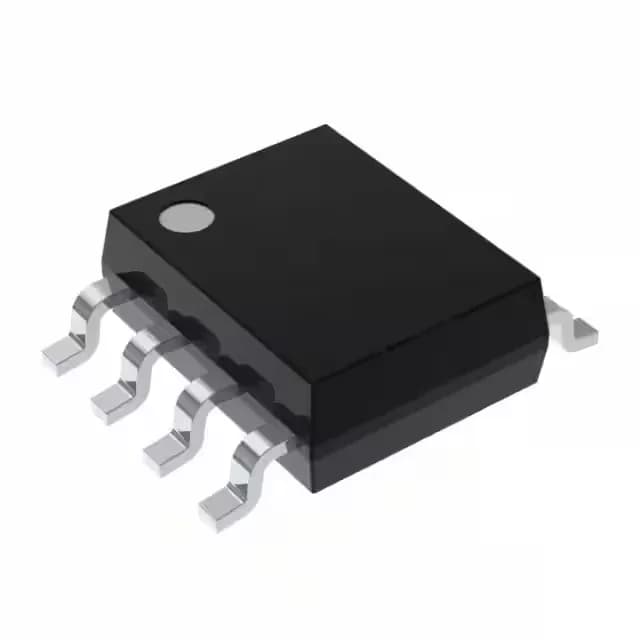
Analog Devices MAX1659ESA+T — Discrete Semiconductors

MAX1659ESA+T LDO Regulator, 350 mA, Adjustable/Fixed 5V

MPNMAX1659ESA+T
End of Life

Maxim Integrated MAX1659ESA+T, linear voltage regulator, positive output, adjustable (fixed 5 V), 350 mA, 16.5 V max input, 0.875 V dropout at 350 mA, 60 µA quiescent current, 8-SOIC package, -40°C to 85°C.

$6.25Ref. price · indicative, final on quote
Packaging8-SOIC (0.154", 3.90mm Width)
StockContact for availability
MOQ1 pcs
  • 100% new & originalTraceable channels only — no refurbs, no pulls, no remarked parts.
  • Date & lot codes on quoteStated per line before you commit; label photos on request.
  • MSL-compliant ESD packingMoisture-sealed bags with indicator cards; reels photo-verified.
  • PayPal buyer protectionPay by T/T, PayPal or Payoneer — card payments covered end to end.

Specifications

MAX1659ESA+T Technical Specifications
ParameterValue
Output typeAdjustable (Fixed)
Mounting typeSurface Mount
Voltage - input16.5V
Voltage dropout0.875V @ 350mA
Voltage - output16V
Voltage - output (Min (Fixed))1.25V (5V)
Current - output350mA
Current - quiescent60 µA
Operating temperature-40°C ~ 85°C (TA)
PackageTape & Reel (TR); Cut Tape (CT)
Case8-SOIC (0.154\", 3.90mm Width)
Control featuresEnable
Protection featuresOver Current, Over Temperature, Reverse Polarity
Number of regulators1
Output configurationPositive

Product details

350 mA LDO with adjustable or fixed 5 V output

The MAX1659ESA+T is a single-output positive linear regulator delivering up to 350 mA. Output is configurable as adjustable from 1.25 V up to 16 V, or fixed at 5 V.

Industrial temperature range and protection set

Rated for -40°C to 85°C ambient, this regulator suits industrial control boards and outdoor telecom equipment.

Sourcing and lifecycle

The MAX1659ESA+T carries an active lifecycle status and is RoHS3 compliant.

Frequently asked questions

Is MAX1659ESA+T adjustable?

Yes, the MAX1659ESA+T is an adjustable linear regulator. It can also be set to a fixed 5 V output by selecting the appropriate resistor network or using the internal divider.