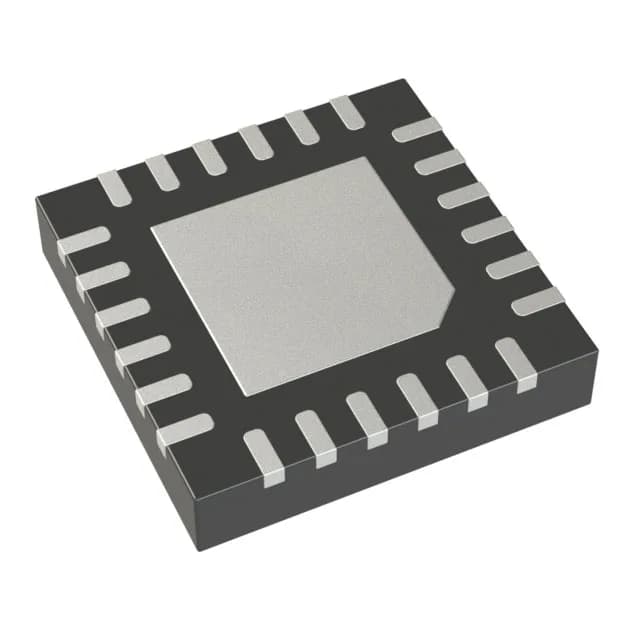
Analog Devices MAX15020ATP+ — Analog & Data Acquisition

MAX15020ATP+ Buck Regulator, 2A Adjustable Output, 40V Input

MPNMAX15020ATP+
End of Life

Analog Devices MAX15020ATP+ step-down buck regulator, 2A output, adjustable 0.5V to 36V, 7.5V to 40V input, 20-TQFN (5x5) package, -40°C to 125°C.

$11.32Ref. price · indicative, final on quote
Packaging20-WQFN Exposed Pad
StockContact for availability
MOQ1 pcs
  • 100% new & originalTraceable channels only — no refurbs, no pulls, no remarked parts.
  • Date & lot codes on quoteStated per line before you commit; label photos on request.
  • MSL-compliant ESD packingMoisture-sealed bags with indicator cards; reels photo-verified.
  • PayPal buyer protectionPay by T/T, PayPal or Payoneer — card payments covered end to end.

Specifications

MAX15020ATP+ Technical Specifications
ParameterValue
Output typeAdjustable
Mounting typeSurface Mount
Voltage - input7.5V
Voltage - output36V
Voltage - output (Min (Fixed))0.5V
Current - output2A
Frequency300kHz ~ 500kHz
Number of outputs1
Operating temperature-40°C ~ 125°C (TJ)
PackageTube
FunctionStep-Down
TopologyBuck
Case20-WQFN Exposed Pad
Output configurationPositive
Synchronous rectifierNo

Product details

What this buck regulator delivers

The -40°C to 125°C junction temperature range covers the full industrial and automotive under-hood envelope. The 20-TQFN (5x5) package requires a solid thermal via pattern under the pad.

No synchronous rectifier — what that means for the BOM

The MAX15020ATP+ does not integrate a synchronous rectifier. An external Schottky catch diode is required in the standard buck topology.

Active lifecycle — no LTB pressure

The MAX15020ATP+ carries an Active product status and is ROHS3 compliant.

Frequently asked questions

What is the output current of MAX15020ATP+?

The MAX15020ATP+ delivers a continuous output current of 2A.

Does MAX15020ATP+ have a synchronous rectifier?

No. The MAX15020ATP+ is a non-synchronous buck regulator, so an external Schottky catch diode is required in the application circuit.