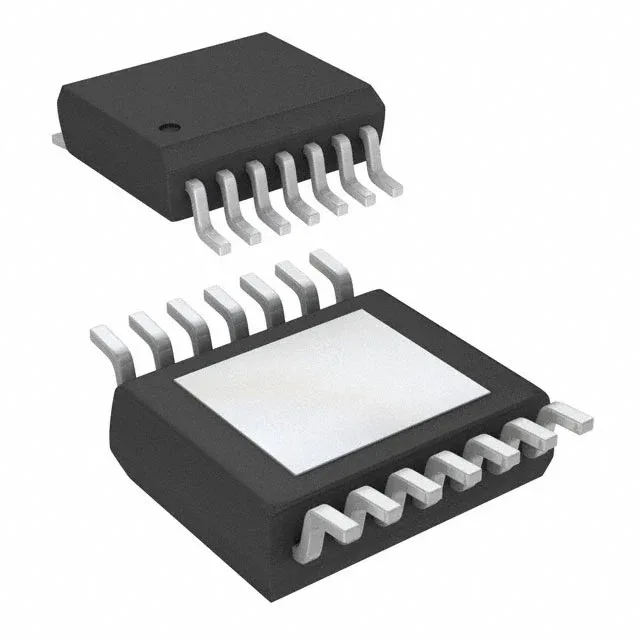
Analog Devices MAX13450EAUD+ — DC-DC Power Modules

MAX13450EAUD+ RS485/RS422 Transceiver, 20Mbps, 14-TSSOP-EP

MPNMAX13450EAUD+
End of Life

Analog Devices MAX13450EAUD+ RS485/RS422 full-duplex transceiver, 20Mbps data rate, 1/1 driver/receiver, 4.75-5.25V supply, 14-TSSOP-EP exposed pad, -40 to +125°C.

$6.13Ref. price · indicative, final on quote
Packaging14-TSSOP (0.173", 4.40mm Width) Exposed Pad
StockContact for availability
Lead timeIn Stock wk
MOQ1 pcs
  • 100% new & originalTraceable channels only — no refurbs, no pulls, no remarked parts.
  • Date & lot codes on quoteStated per line before you commit; label photos on request.
  • MSL-compliant ESD packingMoisture-sealed bags with indicator cards; reels photo-verified.
  • PayPal buyer protectionPay by T/T, PayPal or Payoneer — card payments covered end to end.

Specifications

MAX13450EAUD+ Technical Specifications
ParameterValue
TypeTransceiver
Mounting typeSurface Mount
Voltage4.75V ~ 5.25V
ProtocolRS422, RS485
Operating temperature-40°C ~ 125°C
DuplexFull
PackageTube
Data rate20Mbps
Case14-TSSOP (0.173\", 4.40mm Width) Exposed Pad
Receiver hysteresis15 mV
Number of drivers (Receivers)1/1

Product details

Active production — 20 Mbps full-duplex RS485/RS422 transceiver

The MAX13450EAUD+ is an active-production full-duplex RS485/RS422 transceiver from Analog Devices, rated for 20 Mbps data rate with a single driver and single receiver on a 14-TSSOP-EP package.

Receiver hysteresis and noise margin

Receiver hysteresis is specified at 15 mV typical — this sets the noise rejection floor on the differential bus. In a noisy factory-floor RS485 run, the 15 mV hysteresis prevents output chatter when the differential signal sits near the switching threshold.

Package and thermal pad — layout note

The 14-TSSOP-EP (exposed pad) package requires a thermal land on the PCB to achieve the datasheet thermal resistance.

Frequently asked questions

What is the data rate of MAX13450EAUD+?

The transceiver is rated for 20 Mbps. At this speed, the bus cable length must be kept short — typically under a few metres — to stay within the signal rise-time budget and avoid reflections.