RS-232 transceiver for industrial serial links
Rated for -40°C to +85°C, it suits industrial control and instrumentation. The 500 mV receiver hysteresis provides noise margin on long cables.
Lifecycle and sourcing
It is ROHS3 compliant.
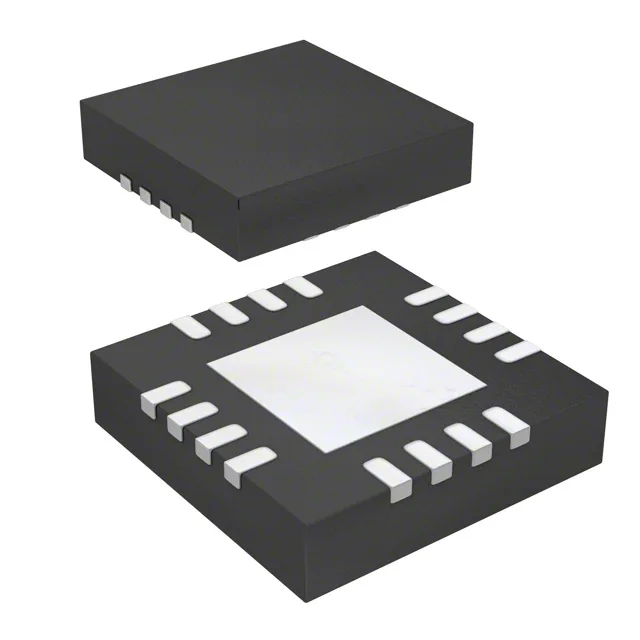
Maxim MAX13236EETE+T RS-232 transceiver, full duplex, 250kbps data rate, 3V to 5.5V supply, 1/1 driver/receiver, -40°C to +85°C, 16-TQFN (5x5mm) exposed pad package.
| Parameter | Value |
|---|---|
| Type | Transceiver |
| Mounting type | Surface Mount |
| Voltage | 3V ~ 5.5V |
| Protocol | RS232 |
| Operating temperature | -40°C ~ 85°C |
| Duplex | Full |
| Package | Tape & Reel (TR); Cut Tape (CT) |
| Data rate | 250kbps |
| Case | 16-WQFN Exposed Pad |
| Receiver hysteresis | 500 mV |
| Number of drivers (Receivers) | 1/1 |
Rated for -40°C to +85°C, it suits industrial control and instrumentation. The 500 mV receiver hysteresis provides noise margin on long cables.
It is ROHS3 compliant.
Yes. The supply range is 3V to 5.5V, so the part runs directly from a 3.3V rail. RS-232 output levels and receiver thresholds are specified across that range.
The maximum data rate is 250 kbps. This covers standard UART rates up to 230400 baud — fine for debug consoles, configuration links, and industrial sensor polling. Not suited for 921600 baud or faster RS-232 links.
The MAX3232 family typically supports data rates up to 1 Mbps, while the MAX13236EETE+T is rated at 250 kbps. Both are RS-232 transceivers with 1/1 driver/receiver count and a wide supply range. If your link needs 921600 baud, the MAX3232 is the faster choice; for standard 115200 baud or lower, the MAX13236EETE+T has sufficient margin.
The device type is a Transceiver. It integrates both a line driver and a line receiver for full-duplex RS-232 communication.
Full duplex. The part supports simultaneous transmit and receive on separate pins.