µModule multi-chemistry battery charger — what it is and where it fits
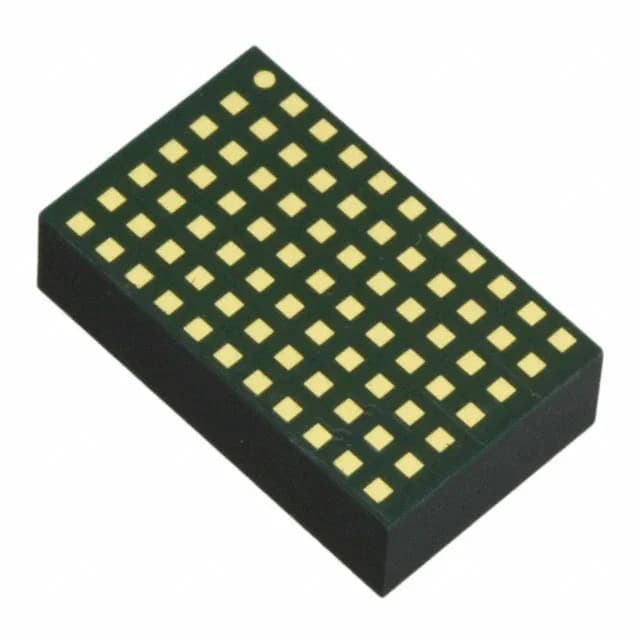
The Analog Devices LTM8062AEV#PBF is a complete µModule battery charger IC for single-cell multi-chemistry batteries. It integrates the controller, power switches, inductor, and support components into a single 77-BLGA package, simplifying layout and reducing board area. The part supports constant-current charging up to 2.1 A and accepts input voltages up to 32 V, making it suitable for applications from portable instruments to industrial equipment where a single compact charger module is needed across multiple battery chemistries. The wide -40°C to 125°C operating range means it can live in an engine bay or an outdoor telecom enclosure without derating.
2.1 A charge current — sizing the thermal path
The 2.1 A maximum charge current is the headline rating that drives BOM decisions. At full current, the µModule's integrated inductor and power stage dissipate heat through the 77-LGA package's exposed pad. The 15x9 mm land-grid array footprint demands a solid thermal via pattern and adequate copper pour on the PCB — a two-layer board with minimal copper will limit charge current below the rated maximum. For designs targeting the full 2.1 A, plan for a four-layer board with thermal vias under the package.
Multi-chemistry and programmable timer — BOM flexibility
Multi-chemistry support means the same BOM can charge Li-Ion, Li-Poly, NiMH, or lead-acid cells by changing only the external resistor divider that sets the float voltage. The programmable timer provides a backup termination for safety — if the charge current does not taper within the set time, the charger shuts off. This is a practical safeguard for unattended charging in embedded systems.
Active status — no LTB pressure
The LTM8062AEV#PBF carries an active lifecycle status and ROHS3 compliance. There is no last-time-buy date on the horizon, so production BOMs can be qualified without near-term obsolescence risk. The µModule series is a mature, ongoing product line from Analog Devices, so supply continuity through the authorized channel is stable.