SPI isolator with 100Mbps throughput and 6000Vrms barrier
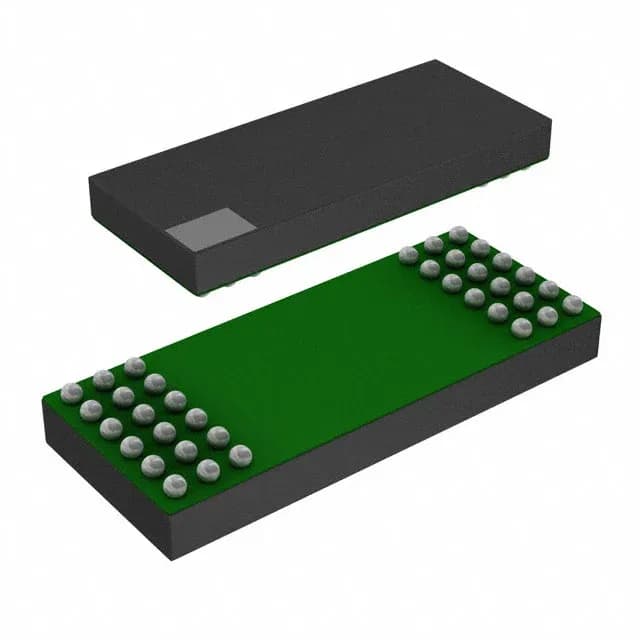
It handles bidirectional and unidirectional signals in one package — the 8/4 input split on side 1 and side 2 lines up with a typical SPI bus (SCK, MOSI, MISO, plus chip selects and interrupt). The 36-BGA (15x6.25mm) footprint is compact but needs careful board layout for the BGA balls.
What the 6000Vrms and 50kV/µs CMTI ratings mean on site
The 6000Vrms isolation rating is reinforced-grade — it covers industrial motor drives, medical patient-contact interfaces, and any application where a fault on the high-voltage side must not reach the controller. The 50kV/µs common-mode transient immunity (CMTI) means this isolator won't glitch when a nearby IGBT or relay switches a few hundred volts in nanoseconds. In a field repair scenario, that CMTI spec is what keeps the SPI link from corrupting a packet when the motor drive kicks in.
Package and temperature — BGA rework and 125°C operation
The 36-BGA package (15x6.25mm body) is surface-mount only — no socket option. Rework requires a hot-air station and a stencil for the BGA balls; it is not a field-swap candidate without the right gear.
100Mbps propagation delay — timing budget for the SPI bus
Maximum propagation delay is 150ns in either direction (tpLH/tpHL), with 10ns typical rise and fall times. At 100Mbps (10ns bit period), the 150ns delay adds 15 clock cycles of latency through the isolator — that matters for read-while-write SPI transactions or daisy-chained converters. The 150ns max is the number to put in your timing closure spreadsheet, not the typical.