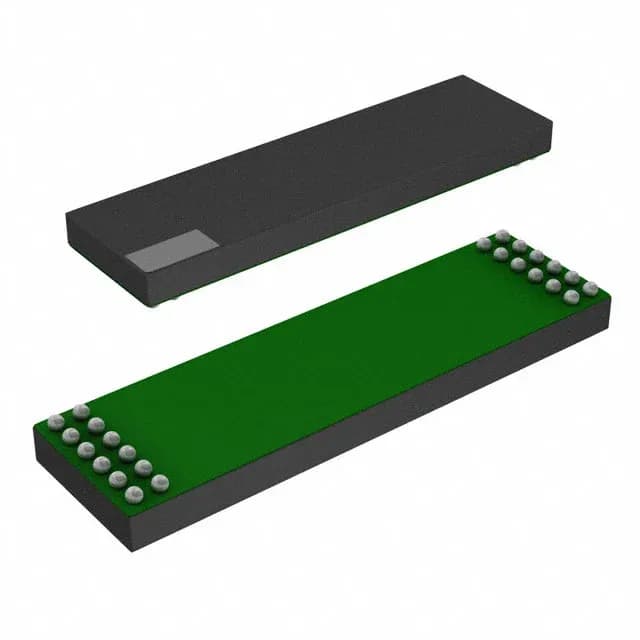
What this USB isolator does — and what it does not
It handles one bidirectional channel (side 1/side 2: 1/1) and runs from a 4.4V to 36V supply, so it works on 5V, 12V, or 24V rails without a regulator. The part does not include isolated power: you still need a separate isolated DC-DC converter to power the secondary side.
7500Vrms — the isolation number that matters
At 7500Vrms, this part sits at the high end of USB isolators. That rating means it can withstand a 7.5 kV RMS potential across the barrier for 1 minute (typical hi-pot test). For medical equipment (IEC 60601-1 2 MOPP), industrial motor drives with big common-mode swings, or any system where a ground fault could put lethal voltage on the USB port, this is the spec that keeps the controller side safe. The common-mode transient immunity is rated at 50kV/µs minimum, so it holds its isolation through fast voltage spikes from switching supplies or relay kickback.
12 Mbps — USB 2.0 full speed, not high speed
The LTM2894CY#PBF runs at 12Mbps, which is USB 2.0 full speed. That covers HID devices (keyboards, mice), virtual COM ports, audio, and most industrial USB peripherals. It will not work for USB 2.0 high speed (480 Mbps) or USB 3.x. The propagation delay is 115ns max each way, rise/fall time 20ns typical — fast enough for full-speed handshaking but not for isochronous video streams. If your application needs high-speed USB isolation, you need a different part (like the ADuM4160, which handles 480 Mbps).