Analog Devices LTM2889IY-5#PBF — Digital Isolators

LTM2889IY-5#PBF Isolated CAN Transceiver, 2500 VRMS, 32-BGA

MPNLTM2889IY-5#PBF
End of Life

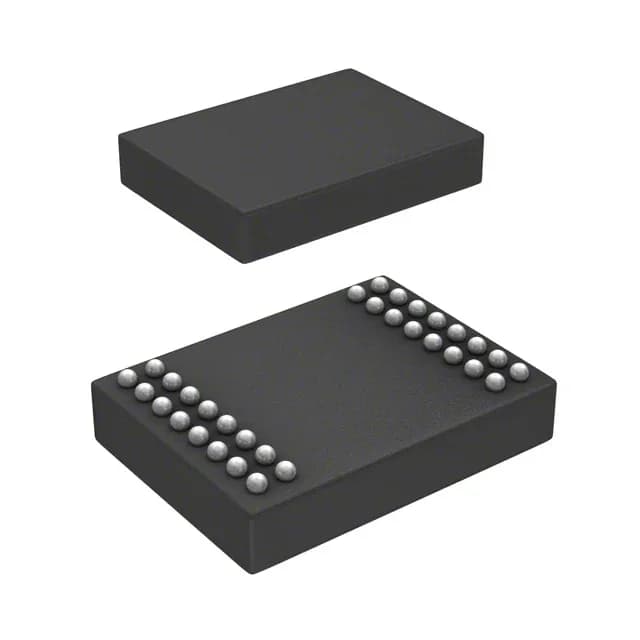
Analog Devices LTM2889IY-5#PBF, Isolated CAN Transceiver, 2500 VRMS isolation, 2-channel digital isolator, 32-BBGA Module (15x11.25 mm), Surface Mount, Tray, ROHS3 Compliant, Active.

$26.39Ref. price · indicative, final on quote
Packaging32-BBGA Module
StockContact for availability
MOQ1 pcs
  • 100% new & originalTraceable channels only — no refurbs, no pulls, no remarked parts.
  • Date & lot codes on quoteStated per line before you commit; label photos on request.
  • MSL-compliant ESD packingMoisture-sealed bags with indicator cards; reels photo-verified.
  • PayPal buyer protectionPay by T/T, PayPal or Payoneer — card payments covered end to end.

Specifications

LTM2889IY-5#PBF Technical Specifications
ParameterValue
TypeTransceiver, Isolated
Mounting typeSurface Mount
PackageTray
ApplicationsCAN, DeviceNet, Industrial
Case32-BBGA Module

Product details

Isolated CAN transceiver for DeviceNet and industrial fieldbuses

The Analog Devices LTM2889IY-5#PBF is an isolated CAN transceiver integrating a 2500 VRMS digital isolator and a 2-channel signal path in a single 32-BBGA module. It is designed for CAN, DeviceNet, and industrial applications where galvanic isolation between the bus and the controller side is required to break ground loops and protect against transient surges. The module includes the transceiver, isolation barrier, and — critically — an integrated DC-DC converter that generates the isolated-side supply, so no external isolated power supply is needed. This part is ROHS3 compliant and carries an active product status, making it a current-production choice for new designs in factory automation, motor drives, and PLC I/O modules.

Package and footprint — what the BGA means for layout

The LTM2889IY-5#PBF comes in a 32-BBGA module measuring 15x11.25 mm (Supplier Device Package 32-BGA). This is a surface-mount BGA with a 1.27 mm ball pitch typical of Analog Devices' µModule family. The BGA footprint requires careful PCB layout: route the isolated-side signals away from the non-isolated side to maintain creepage distance, and place the module close to the CAN bus connector to minimize stub length. The module's integrated DC-DC converter means no external transformer or separate isolated supply IC, saving board area but demanding attention to the input supply decoupling — a 10 µF ceramic at the VCC pin is the usual starting point per the datasheet application circuit.

Frequently asked questions

Is LTM2889IY-5#PBF compatible with 3.3V or 5V logic?

The LTM2889IY-5#PBF is a 5V supply variant (the '5' in the order code indicates the isolated-side output voltage is 5V). The logic interface on the non-isolated side operates from a 3.3V or 5V supply depending on the VCC pin connection — the datasheet specifies a supply range that covers both. For 3.3V logic, connect VCC to 3.3V; for 5V logic, connect VCC to 5V. The integrated DC-DC converter generates the isolated-side 5V rail regardless of the VCC voltage, so the bus side always runs at 5V CAN levels.

Does LTM2889IY-5#PBF have an integrated DC-DC converter?

Yes, the LTM2889IY-5#PBF includes an integrated DC-DC converter that generates the isolated-side supply voltage (5V in this variant). The converter is part of the µModule isolation architecture, providing up to 2W of isolated output power.

What is the maximum data rate of LTM2889IY-5#PBF?

The LTM2889IY-5#PBF is a CAN transceiver, so its data rate is limited by the CAN protocol itself — typically up to 1 Mbps for CAN 2.0B. The integrated digital isolator supports this rate without introducing bit errors or jitter that would exceed the CAN bus timing budget. For DeviceNet applications, the data rate is typically set to 125 kbps, 250 kbps, or 500 kbps depending on the network length.