I²C isolation with onboard power — one module, no external DC-DC
It provides six unidirectional channels (three from side 1 to side 2, three from side 2 to side 1) using magnetic coupling technology, rated for 2500Vrms isolation. This simplifies the BOM and board layout for I²C buses that must cross a safety isolation barrier in industrial, medical, or telecom equipment.
30kV/µs CMTI — why it matters for motor drives and inverters
Common-mode transient immunity is rated at a minimum of 30kV/µs. In a motor-drive or inverter environment where fast-switching IGBTs or SiC MOSFETs slam the ground plane with kilovolt-per-microsecond edges, a lower CMTI can corrupt the I²C data or cause latch-up. This part's 30kV/µs rating provides a solid margin for industrial drives, solar inverters, and UPS systems where the isolation barrier sees heavy common-mode dV/dt.
400kHz I²C — fits the standard-mode and fast-mode bus
The data rate is specified at 400kHz, covering standard-mode (100kHz) and fast-mode (400kHz) I²C buses. The unidirectional channel arrangement — three inputs on side 1, three on side 2 — maps directly to the SDA, SCL, and an optional interrupt or reset line in each direction. No bidirectional channel support here, so the I²C bus must be split into unidirectional signal paths, which is the typical approach for isolated I²C using discrete isolators or a dedicated I²C isolator like this one.
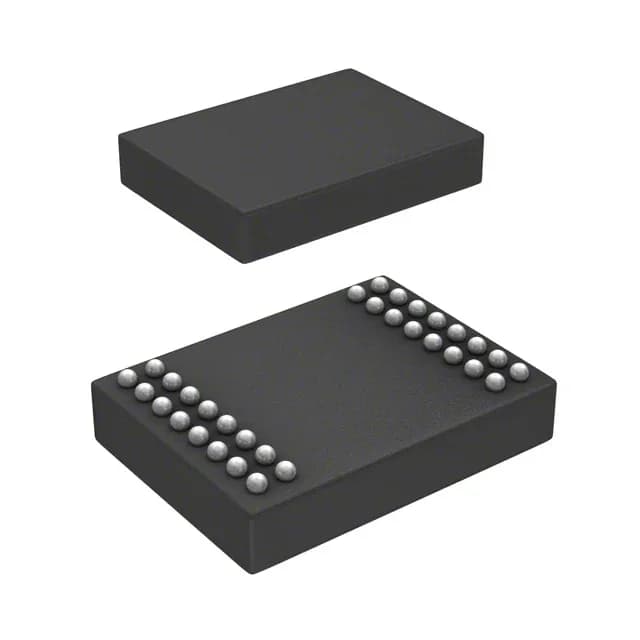
The 32-BGA package (15x11.25mm) is surface-mount, so it reflows with the rest of the board — no through-hole isolation module taking up extra space.