What this RS232 isolator does that a discrete solution cannot
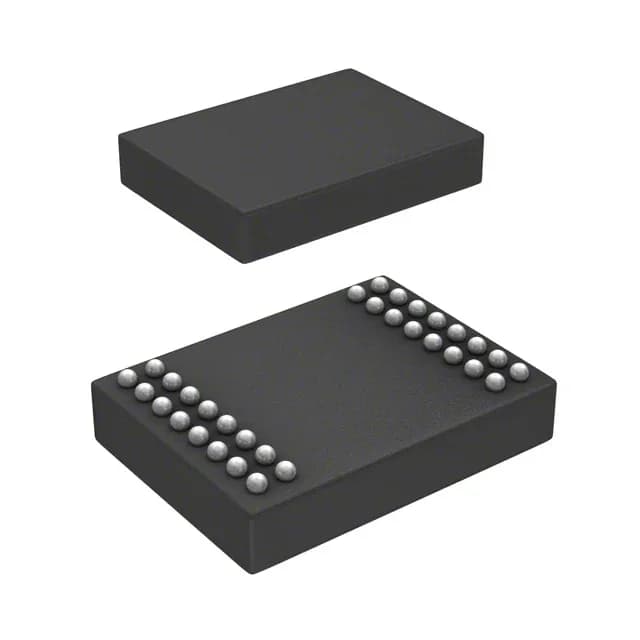
The Analog Devices LTM2882IY-5#PBF is a µModule RS232 transceiver that integrates four channels of magnetic coupling isolation with an onboard isolated DC-DC converter into a single 32-BGA package. Rated for 2500Vrms isolation and 30kV/µs common-mode transient immunity, it handles the galvanic isolation requirement without a separate power module or external transformer. The 10Mbps data rate covers the full RS232 speed range including high-throughput instrumentation links, while the 2/2 input-side split keeps two channels on each side of the isolation barrier for bidirectional communication.
The 10Mbps data rate and what it buys you
At 10Mbps this part is not the slow RS232 you remember from legacy serial ports. The 100ns max propagation delay and 60ns rise/fall times keep the eye open for long cable runs at high baud rates. If your link runs at 115.2kbps or even 1Mbps, the margin is generous — the limiting factor will be the cable capacitance and the receiver threshold, not the isolator. The unidirectional channel architecture means each of the four channels drives in one direction only, so plan the 2/2 split for TX and RX paths accordingly.
The integrated isolated power means the secondary side gets its own regulated rail from the primary-side 5V input, so you do not need a separate isolated DC-DC converter for the RS232 bus side.
Package and board integration
The 32-BGA (15x11.25mm) package is a ball-grid array with a 1mm pitch typical of µModule parts. Surface-mount only — no through-hole option. The 32-BBGA module footprint needs a standard BGA reflow profile; the datasheet's recommended land pattern and stencil aperture are worth following for reliable solder joint formation across the industrial temperature range.
Lifecycle and compliance
The ROHS3 compliance covers the full substance restriction list including the four phthalates, so it passes EU regulatory requirements for equipment placed on the market after July 2019.