What the 2:1 input ratio and 15 µA quiescent current mean for a battery-powered design
The LTC4412IS6#TRMPBF is a PowerPath source selector switch — it steers a load between two DC inputs (wall adapter and battery, say) using an external P-channel MOSFET, because the chip itself contains no internal switch. The 2:1 input ratio means it manages two input sources and one output, selecting whichever is higher. That 15 µA supply current is the chip's own draw regardless of load current — the external FET handles the heavy lifting. In a handheld device that sleeps most of the time, the quiescent loss from the selector itself stays well under the battery's self-discharge floor. The 2.5 V to 28 V supply range covers single-cell Li-ion up through multi-cell packs and USB-C PD rails.
Package, temperature grade, and where it fits
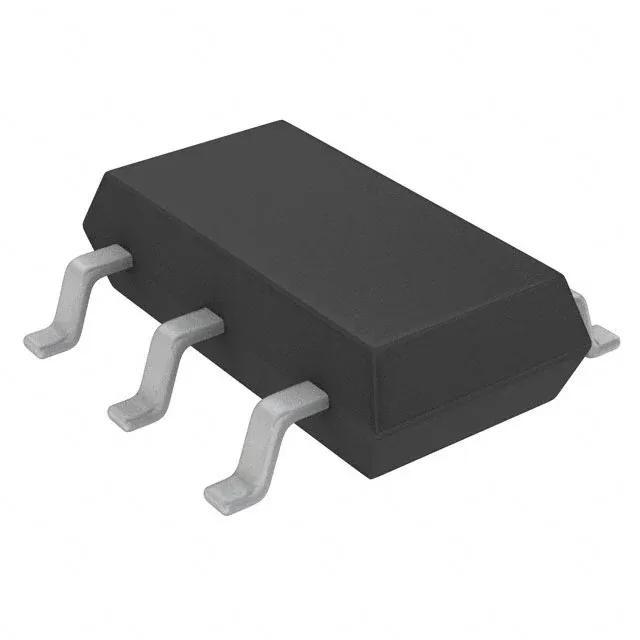
Housed in a TSOT-23-6, the same footprint as a standard SOT-23-6 but thinner — the 'T' in TSOT. The -40°C to 85°C operating range covers commercial and industrial ambient; if you need the -40°C to 125°C extended range, the 'H' variant (LTC4412HS6#TRMPBF) is the drop-in with the same pinout and timing. Target applications are handheld and USB-powered supplies — think a portable instrument that charges from USB and runs off a Li-ion pack, or a router that falls back to battery when the wall wart drops. The 110 µs turn-on delay and 13 µs turn-off delay are fast enough to prevent the output from glitching during source transitions but slow enough to avoid ringing from the external FET gate capacitance.
Active production and sourcing posture
LTC4412IS6#TRMPBF carries an active lifecycle status and is ROHS3 compliant. It's quoted to order against the BOM quantity — availability and current pricing confirmed at RFQ. The closest functional peer is the LTC4412ES6#TRPBF — same PowerPath series, same P-channel FET type, same 2:1 ratio, same 110 µs / 13 µs delays. The difference is the 'I' vs 'E' temperature grade suffix; the 'I' (industrial) is -40°C to 85°C, the 'E' (extended commercial) is 0°C to 70°C. If your BOM was specced around the 'E' grade, the 'I' grade drops into the same TSOT-23-6 footprint with wider temp margin.