What the zero-drift topology means for your signal chain
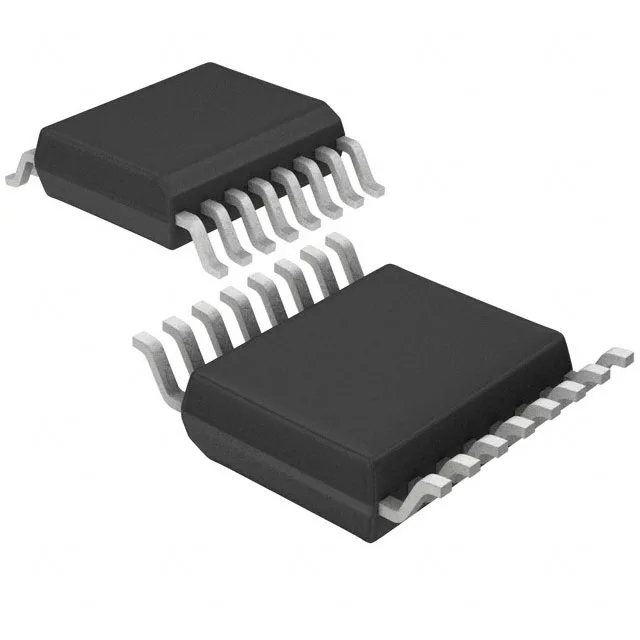
The LTC2052HGN#PBF: Input bias current is 90 pA typical, which is low enough to not load a 10 kΩ source (the voltage error from bias current is under 1 µV). For higher-impedance sensors like pH probes or photodiode amplifiers, the 90 pA figure still keeps the error manageable — but you will want to guard the PCB traces to keep leakage currents from dominating.
3 MHz GBW and 2V/µs slew rate — where the bandwidth lands
With a 3 MHz gain-bandwidth product and 2V/µs slew rate, this op-amp is not a high-speed video amplifier, but it comfortably handles audio-band filtering (20 kHz active filters with gain) and low-speed data acquisition (anti-aliasing filters for 100 kSPS ADCs). The 2V/µs slew rate means a 2 V peak-to-peak output step slews in 1 µs — plenty for settling a multiplexed ADC input within the conversion window. This is useful when the ADC reference is the same supply rail — you capture the full signal span without a level shift.
Quad-channel density and supply flexibility
The 2.7 V minimum means it also works from a 3 V lithium coin cell, though the 4 mA total supply current limits battery life in always-on applications.
Lifecycle and compliance snapshot
The part is ROHS3 compliant (no exemptions), which clears it for EU RoHS and similar global restrictions without a waiver. Packaging is tube, not tape-and-reel — factor that into your pick-and-place setup if you are ordering for automated assembly; tube-fed feeders or a tube-to-tape conversion step may be needed.