215 MHz GBW, 70 V/µs — the speed envelope for signal conditioning
The LT6238HGN#PBF is a quad general-purpose op amp from the LT® series, delivering 215 MHz gain-bandwidth product and a 70 V/µs slew rate — enough headroom to buffer or amplify signals up to about 90 MHz (-3 dB) without the output stage limiting the edge rate. Each of the four channels draws 3.15 mA supply current, so the full device consumes roughly 12.6 mA quiescent — a reasonable power budget for a high-speed quad in a 16-SSOP footprint.
Rail-to-rail output, 3 V to 12.6 V supply span
Output swings to within millivolts of either rail — the rail-to-rail stage means the usable signal range is nearly the full supply, which matters when running from a 3 V or 5 V single rail and you need every bit of headroom. Supply span runs from 3 V minimum to 12.6 V maximum, so the same BOM position fits both low-voltage portable gear and industrial 12 V rails without a regulator change. Each channel can source or sink 30 mA continuous — enough to drive a 50-ohm line or an ADC input stage directly.
Package, temperature grade, and compliance
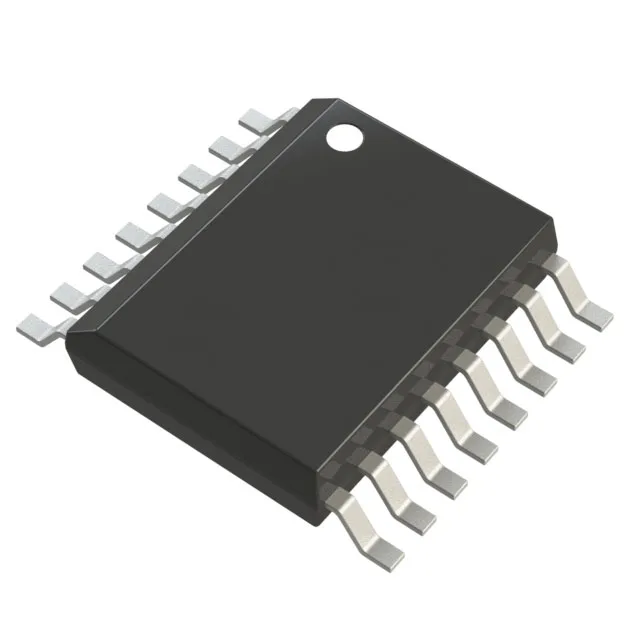
Housed in a 16-lead SSOP (0.154-inch body, 3.90 mm width), surface-mount — the 0.0256-inch pitch demands a standard fine-pitch solder profile; no exposed pad, so thermal relief is through the leads and copper plane. Rated for -40°C to 125°C operation — this is the industrial/automotive temperature band, so it survives under-hood or outdoor enclosure ambient without derating the speed specs.
Input offset and bias — what to expect at the front end
Maximum input offset voltage is 350 µV — for a 10x gain stage that translates to 3.5 mV DC error at the output, acceptable for most signal-chain applications but worth noting if the target is sub-millivolt precision. Input bias current is 5 µA — a bipolar input stage; this current flows through the source impedance and creates an offset voltage equal to Ib × Rsource. For a 1 kΩ source, that is 5 mV additional error, so keep source impedance low or account for it in the feedback network.