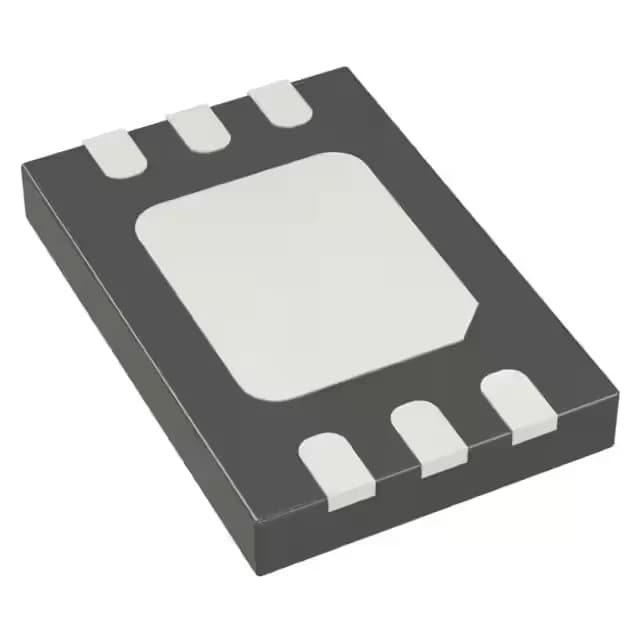
It is a current-output device, meaning the output current is proportional to the sensed voltage, which simplifies interfacing to an ADC or comparator. With a -3 dB bandwidth of 100 kHz and a slew rate of 2 V/µs, it can track current waveforms in switching power supplies, motor-drive phases, and solenoid drivers. The 6-DFN package (2x3 mm) with exposed pad suits compact, surface-mount layouts where board area is tight.
The LT6105CDCB#TRPBF operates from a minimum supply of 2.85 V to a maximum of 36 V. That 2.85 V floor means it will run cleanly from a 3.3 V rail with margin, and the 36 V ceiling covers 24 V industrial supplies with headroom for transients. If your design uses a 5 V rail, the part sits well within its range. The 240 µA quiescent supply current keeps the power budget light in always-on monitoring circuits.
Bandwidth and slew rate — what they limit
The 100 kHz -3 dB bandwidth sets the upper frequency for accurate current measurement. For a 100 kHz switching regulator, the LT6105 can resolve the average current but will attenuate the switching ripple. The 2 V/µs slew rate limits the large-signal response; expect about 5 µs settling to 0.1% for a full-scale step. If you need to capture sub-microsecond current spikes, a faster amplifier is called for.
Accuracy: input offset and output drive
Input offset voltage is specified at 100 µV, which sets the measurement floor. With a 10 mΩ shunt, that offset corresponds to a 10 mA error — acceptable for many load-monitoring applications but worth derating if you need sub-milliamp resolution.
Temperature grade and environment
If your application sees freezing temperatures or engine-bay heat, look at the AD8207WBRZ-RL (automotive grade, -40°C to 125°C) as an alternative.