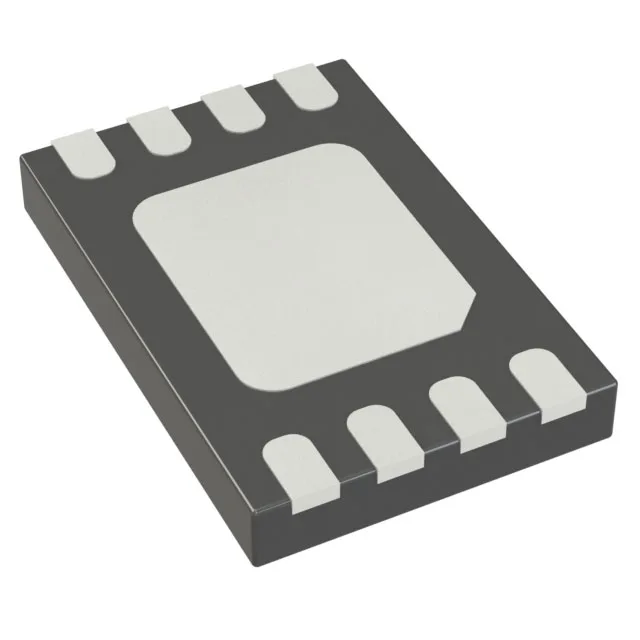
The LT3653EDCB#TRMPBF comes in an 8-WFDFN exposed pad package (8-DFN 2x3 mm). The 0.50 mm pitch DFN demands careful solder paste volume control to avoid bridging; a 0.10 mm stencil with a 1:1 aperture-to-pad ratio is a typical starting point. MSL level is not listed in the record, so assume MSL 1 unless the reel label says otherwise — if the part arrives in a moisture-barrier bag with a desiccant card, bake it at 125°C for 24 hours before reflow if the bag is punctured.
Input voltage range and output flexibility
The input range spans 7.5 V minimum to 30 V maximum, which covers common industrial and automotive rails — 12 V, 24 V, and 28 V systems all fit without an external pre-regulator. The 30 V abs-max ceiling means a 24 V rail with 10% tolerance (26.4 V) leaves 3.6 V of headroom before the part hits its limit. The single 1.2 A output is positive polarity.
Sourcing and compliance
ROHS3 compliant per the record — no exemptions for lead in solder or other restricted substances. No synchronous rectifier is built in — the external Schottky diode handles the freewheeling current. This adds a diode forward drop to the efficiency curve but keeps the BOM cost lower than a fully synchronous solution. For a 12 V to 5 V conversion at 1 A, expect efficiency in the mid-80% range.