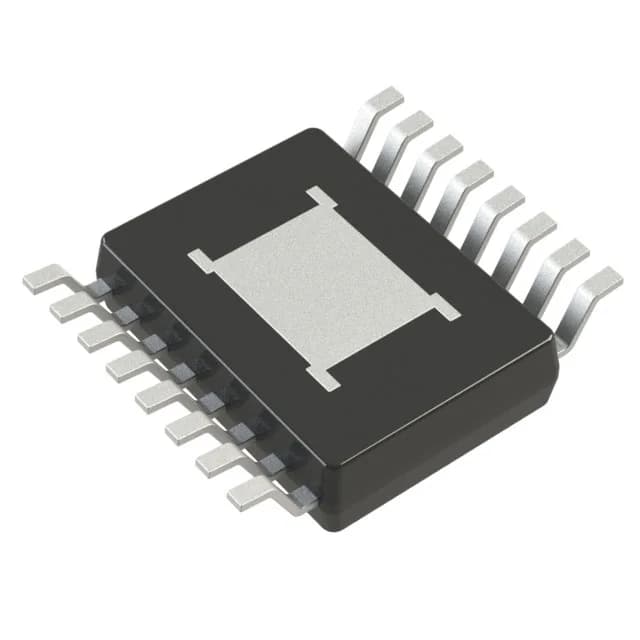
Package and thermal — the exposed pad is not optional
The part comes in a 16-lead TSSOP with an exposed pad (16-TSSOP-EP). That pad must be soldered to a copper plane on the PCB to carry the heat from the 3A output at high input-to-output differentials. The operating junction range is 0°C to 125°C, so the design needs to keep the junction below the upper limit under full load, especially at elevated ambient temperatures. The supplier device package is the same 16-TSSOP-EP; the Tube shipment format is fine for prototype and low-volume builds.
Lifecycle and compliance — no obsolescence concern
The LT3430EFE#PBF is listed as Active on the manufacturer's lifecycle status and is ROHS3 compliant.
Cross-shop memo — LT3435EFE#PBF vs this part
The closest peer in the same family is the LT3435EFE#PBF. Both are positive-output, adjustable Buck regulators in the same 16-TSSOP-EP package with a 3A output rating and no synchronous rectifier. The key difference is switching frequency: the LT3430EFE#PBF runs at 200kHz, while the LT3435EFE#PBF runs at 500kHz. The higher frequency of the LT3435 shrinks the inductor and capacitor values, saving board space, but increases switching losses. If the design can tolerate a larger inductor and wants lower switching losses, the LT3430EFE#PBF is the better fit. If board area is tight, the LT3435EFE#PBF is the alternative to evaluate.