Micropower dual op-amp for precision low-bandwidth signal chains
The 70 µV input offset voltage is respectable for this power class and means many designs can skip a trim pot or calibration step. The supply range spans 2.2 V to 30 V, covering single-cell lithium through 24 V industrial rails without needing a separate regulator.
Supply current and offset — the two specs that decide the fit
The 47 µA per channel supply current is the headline rating that defines this part's niche. In a battery-powered data logger running two op-amp stages continuously, the LT1078ISW#PBF adds under 100 µA to the system budget — a fraction of what a general-purpose 1 mA-per-channel op-amp would consume. The 6 nA input bias current is low enough for high-impedance sensor interfaces like pH probes or thermopiles without excessive voltage drop across the source resistance. The 70 µV input offset voltage means the DC error at the output stays small even at moderate gains. For a gain-of-100 stage, the output offset contribution is 7 mV, which is acceptable for many 12-bit ADC front ends without a nulling circuit. Designs that need lower offset should look at chopper-stabilized parts, but those typically draw more supply current.
Package and supply — board-level fit
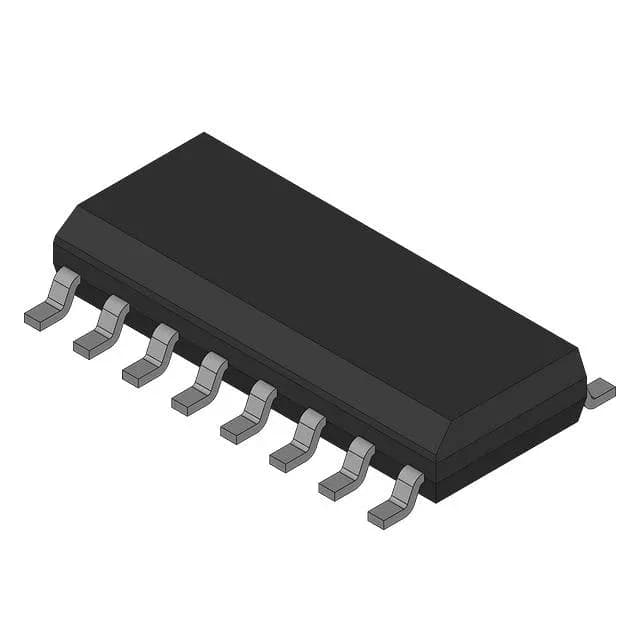
Housed in a 16-lead SOIC with 7.50 mm body width (the wide-body variant), the LT1078ISW#PBF occupies more board area than a narrow SOIC-8 but offers better thermal dissipation for the dual die. The surface-mount package is compatible with standard reflow profiles. The 2.2 V minimum supply lets this part run from a single lithium cell down to its end-of-discharge voltage, while the 30 V maximum covers 24 V industrial buses with margin.