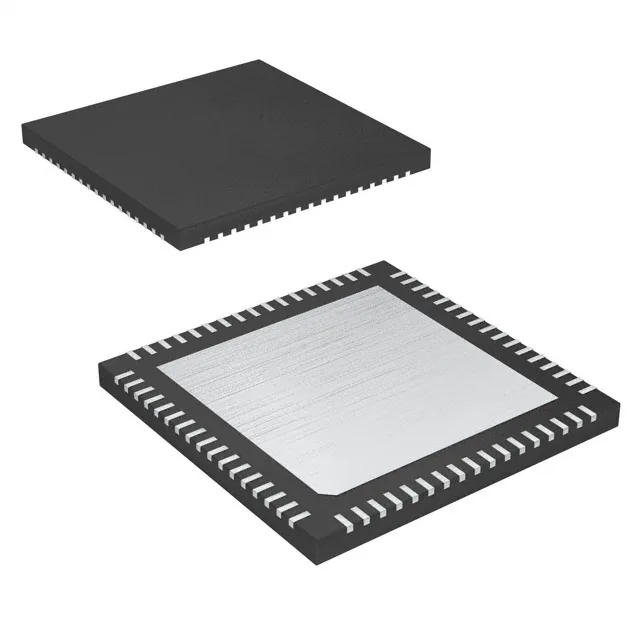
Analog Devices HMC7044LP10BETR — Analog & Data Acquisition

HMC7044LP10BETR Jitter Attenuator, 3.2 GHz, PLL, 68-LFCSP

MPNHMC7044LP10BETR
End of Life

Analog Devices HMC7044LP10BETR jitter attenuator, PLL Yes, Type Jitter Attenuator, Input CML/CMOS/LVDS/LVPECL, Output CML/LVDS/LVPECL, Frequency - Max 3.2GHz, 68-VFQFN Exposed Pad CSP, -40°C to 85°C.

$39.52Ref. price · indicative, final on quote
Packaging68-VFQFN Exposed Pad, CSP
StockContact for availability
MOQ1 pcs
  • 100% new & originalTraceable channels only — no refurbs, no pulls, no remarked parts.
  • Date & lot codes on quoteStated per line before you commit; label photos on request.
  • MSL-compliant ESD packingMoisture-sealed bags with indicator cards; reels photo-verified.
  • PayPal buyer protectionPay by T/T, PayPal or Payoneer — card payments covered end to end.

Specifications

HMC7044LP10BETR Technical Specifications
ParameterValue
TypeJitter Attenuator
Mounting typeSurface Mount
Voltage3.135V ~ 3.465V
Frequency3.2GHz
Operating temperature-40°C ~ 85°C
PLLYes
InputCML, CMOS, LVDS, LVPECL
OutputCML, LVDS, LVPECL
PackageTape & Reel (TR); Cut Tape (CT)
Case68-VFQFN Exposed Pad, CSP
Divider (Multiplier)Yes/No
Number of circuits1
Ratio - Input:Output4:14
Differential - Input:OutputYes/Yes

Product details

PLL-based jitter attenuator for 3.2 GHz clock cleaning

The Analog Devices HMC7044LP10BETR is a PLL-based jitter attenuator designed to clean and distribute high-frequency reference clocks in communications and data-converter systems. It accepts CML, CMOS, LVDS, or LVPECL inputs and provides the same output logic family options, so no external level translation is needed between the reference source and the downstream ADC, DAC, or FPGA. The 4:14 input-to-output ratio lets a single clean reference fan out to multiple clock domains — useful when a base station or test equipment board has several ASICs each requiring a low-jitter clock. Maximum output frequency of 3.2 GHz covers the upper range of JESD204B and high-speed serial interfaces. The single PLL core locks to the input reference and attenuates phase noise from the source, delivering a cleaned clock to the outputs. For a clock-cleaning application, the PLL bandwidth is set by external loop-filter components — the datasheet layout gives recommended values for typical loop bandwidths.

Supply, temperature, and package — what they mean on the board

All inputs and outputs are differential, which helps reject common-mode noise picked up on long clock traces between boards. The single-circuit PLL means one reference input, one cleaned output bank — not a multi-PLL synthesizer. If your application needs independent clock domains from different references, consider a multi-PLL clock generator instead.

Lifecycle and sourcing — active, no obsolescence risk

For new designs, this part can be specified without worrying about a near-term phase-out.

Frequently asked questions

What is the equivalent or replacement for HMC7044LP10BETR?

The closest functional peer is the HMC7043LP7FETR, which is also a PLL-based clock buffer with a 3.2 GHz maximum frequency and LVDS/LVPECL outputs, but has a 1:14 input-to-output ratio instead of 4:14. The HMC7044LP10BETR offers more input flexibility with four reference inputs versus one on the HMC7043.

Can HMC7044LP10BETR be used for clock cleaning?

Yes, the HMC7044LP10BETR is specifically a jitter attenuator — its PLL is designed to clean a noisy reference clock and output a low-jitter version. The 3.2 GHz maximum frequency covers high-speed ADC/DAC and SERDES reference clocks.